The Asia to Europe market has entered another round of carrier-led rate restoration attempts heading into June. Carriers continue to demonstrate stronger pricing discipline compared with earlier months, while capacity management remains active across both OA and PA alliances. Market sentiment has become more bullish following the latest June opening levels released by major carriers, although downstream cargo recovery remains uneven across origins.
At the same time, geopolitical developments surrounding the Middle East and the Strait of Hormuz continue to attract close market attention, particularly after Iran announced tighter control measures over regional waters during the past week. While no major operational disruption has occurred so far, the situation remains sensitive and may influence bunker volatility, vessel routing considerations, and carrier contingency planning in the coming weeks.
Rate Direction and Carrier Pricing Sentiment
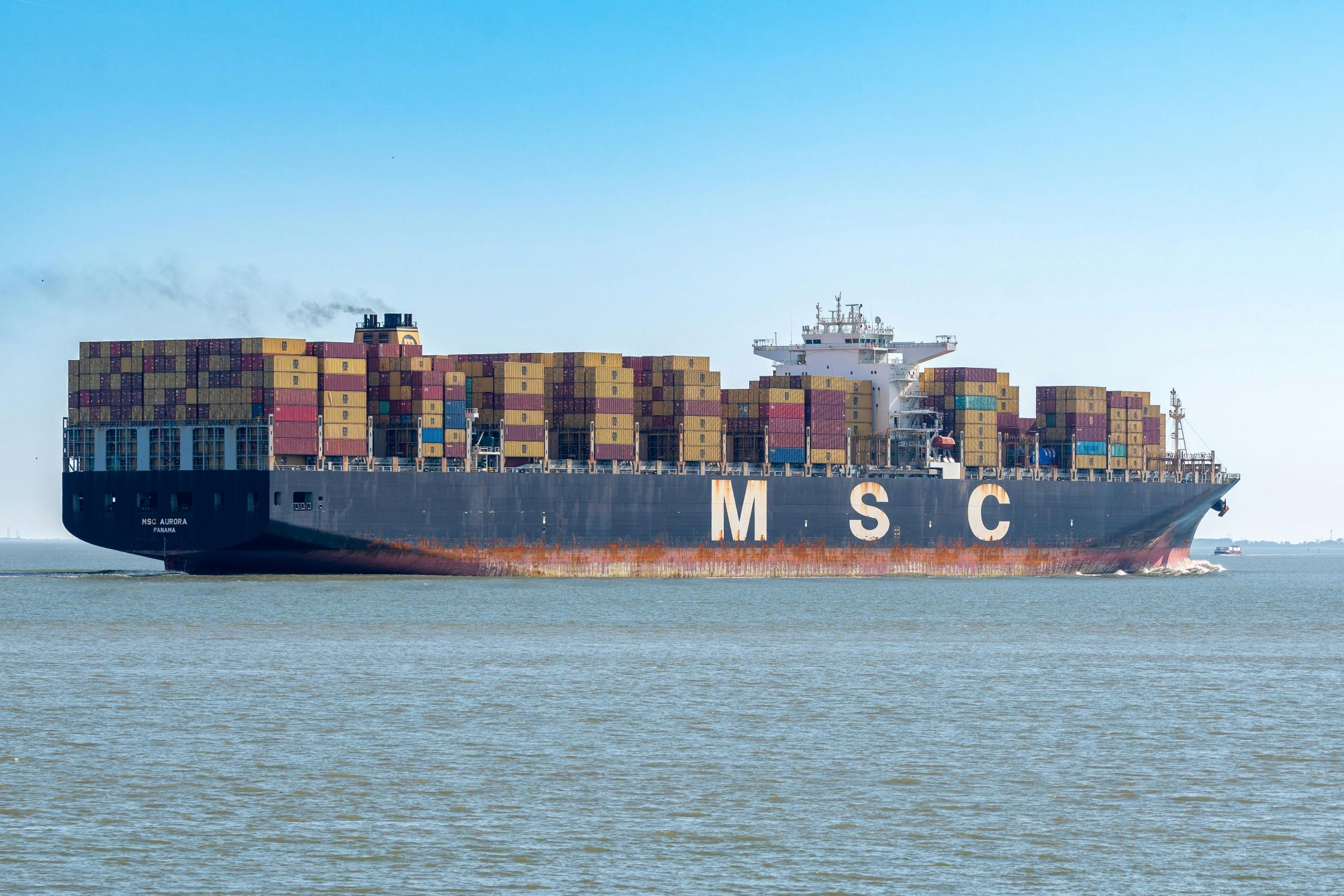
MSC has slightly adjusted its late-May spot guidance downward, but simultaneously released significantly firmer June opening levels, indicating carriers remain determined to push the market upward entering peak season preparation period.
Maersk has opened Week 23 space with materially higher June pricing guidance across Hamburg, Rotterdam, Antwerp and other North Europe base ports, signaling that major carriers are attempting to establish a stronger June pricing floor.
Hapag Lloyd followed shortly after with its own June increase announcement, reinforcing the view that alliance carriers are currently aligned on maintaining upward pricing momentum.
The initial June pricing center has exceeded broader market expectations, suggesting carriers are increasingly confident regarding near-term utilization recovery and cargo recovery from Asia origins.
Market focus will now shift toward how OA and PA alliance members further adjust their June quotations, as subsequent pricing reactions from these groups will determine whether the current upward momentum can be sustained into the second half of June.
Bunker-related cost pressure remains relatively elevated amid Middle East geopolitical uncertainty, which may continue supporting carrier attempts to implement surcharge-related adjustments if energy markets remain volatile.
Capacity Outlook and Network Adjustments
June capacity has been slightly revised downward to approximately 297,000 TEU for Europe services after recent deployment adjustments by several carriers.
The reduction mainly comes from COSCO’s AEU1 deployment adjustment in Week 26, where vessel XIN LIAN YUN GANG with lower nominal capacity replaced the originally planned vessel allocation.
MSC has also implemented several vessel replacement arrangements across selected sailings, contributing to the overall slight reduction in available market capacity.
At present, only one blank or pending sailing remains visible toward the end of June, mainly relating to the PA alliance FP2 service.
July weekly average capacity is currently projected around 306,000 TEU. However, after excluding pending or TBN sailings, effective deployable capacity is estimated closer to 286,000 TEU.
A large portion of July’s pending sailings remains concentrated within MSC services. Market expectation is that many of these placeholders will eventually be filled, although timing and final vessel deployment remain subject to adjustment.
Alliance restructuring and continued vessel optimization remain active themes across the trade lane, with carriers continuing to balance utilization recovery against the risk of oversupply.
Other Market Factors Influencing Asia Europe Trade
South Korea has preliminarily selected Panstar Line to operate the country’s first container trial voyage through the Northern Sea Route via the Arctic corridor, sailing from Busan to Rotterdam and back. The project forms part of Korea’s broader Arctic shipping strategy and may begin as early as September 2026, subject to Russian coordination and ice-class certification requirements.
China completed 14 Arctic container voyages last year, highlighting increasing regional interest in developing alternative Asia Europe routing options outside traditional Suez-linked corridors.
While Arctic routing remains commercially limited at this stage, the long-term strategic significance is increasing as governments and carriers continue exploring diversification of Asia Europe supply chain corridors.
Geopolitically, the overall situation between the US, Israel, and Iran remains fragile despite temporary de-escalation efforts. According to recent international reports, military preparedness surrounding Iran’s major oil export infrastructure continues to intensify.
On 20 May, Iran’s Revolutionary Guard announced coordinated passage of 26 vessels through the Strait of Hormuz within 24 hours, including tankers, container vessels, and merchant ships, while simultaneously issuing updated controlled waterway guidance.
Although the Strait remains operational, the shipping market continues monitoring the risk of any escalation that may impact bunker pricing, insurance costs, vessel scheduling, or regional transit confidence.
From a macroeconomic perspective, European demand recovery remains gradual rather than aggressive. Importers continue maintaining cautious inventory strategies amid mixed consumer confidence and persistent inflationary pressure across several EU economies.
RS Logistics will continue monitoring carrier deployment strategies, alliance developments, geopolitical risks, and origin cargo trends closely. We will keep sharing market intelligence and operational updates to support your planning and provide better visibility on Asia export conditions in the weeks ahead.

.svg)