Asia to Europe Trade Watch: Spot Market Eases as Supply Growth Exceeds Export Uptake
November 24, 2025
To enhance visibility at origin and strengthen sales planning for our overseas partners, please find the latest market intelligence update for Asia to Europe exports for the second half of the month. This report provides an analytical view of rate momentum, space and deployment dynamics, and external market influences that could shape customer expectations.
Rate Softening and Carrier Pricing Behaviour
The market continues to show downward pricing momentum, despite carriers signalling the possibility of rate increases from late December into January. The current buyer response indicates limited acceptance of formal GRI filings unless accompanied by meaningful capacity tightening.
Spot quotations from key liners for Week 49 and Week 50 already reflect competitive reductions, particularly from North China origins, suggesting that rate stabilisation attempts are not yet supported by sustained utilisation.
Carrier pricing strategy remains highly tactical. While GRI announcements are expected, the actual implemented levels will be determined by space pressure rather than published tariffs. The experience from last January — when announced increases failed to hold due to excess capacity—remains a relevant reference point.
The timing of Lunar New Year shipments is a key demand variable. Although some forwarders anticipate a notable pre-holiday push, it is not yet clear whether this incremental demand will be sufficient to absorb newly deployed tonnage.
Capacity Discipline vs Oversupply Risk
Blank sailings have increased across multiple alliances, particularly targeting late December departures, signalling early attempts to defend utilisation. The stabilising effect, however, depends on whether carriers continue applying capacity discipline consistently into January.
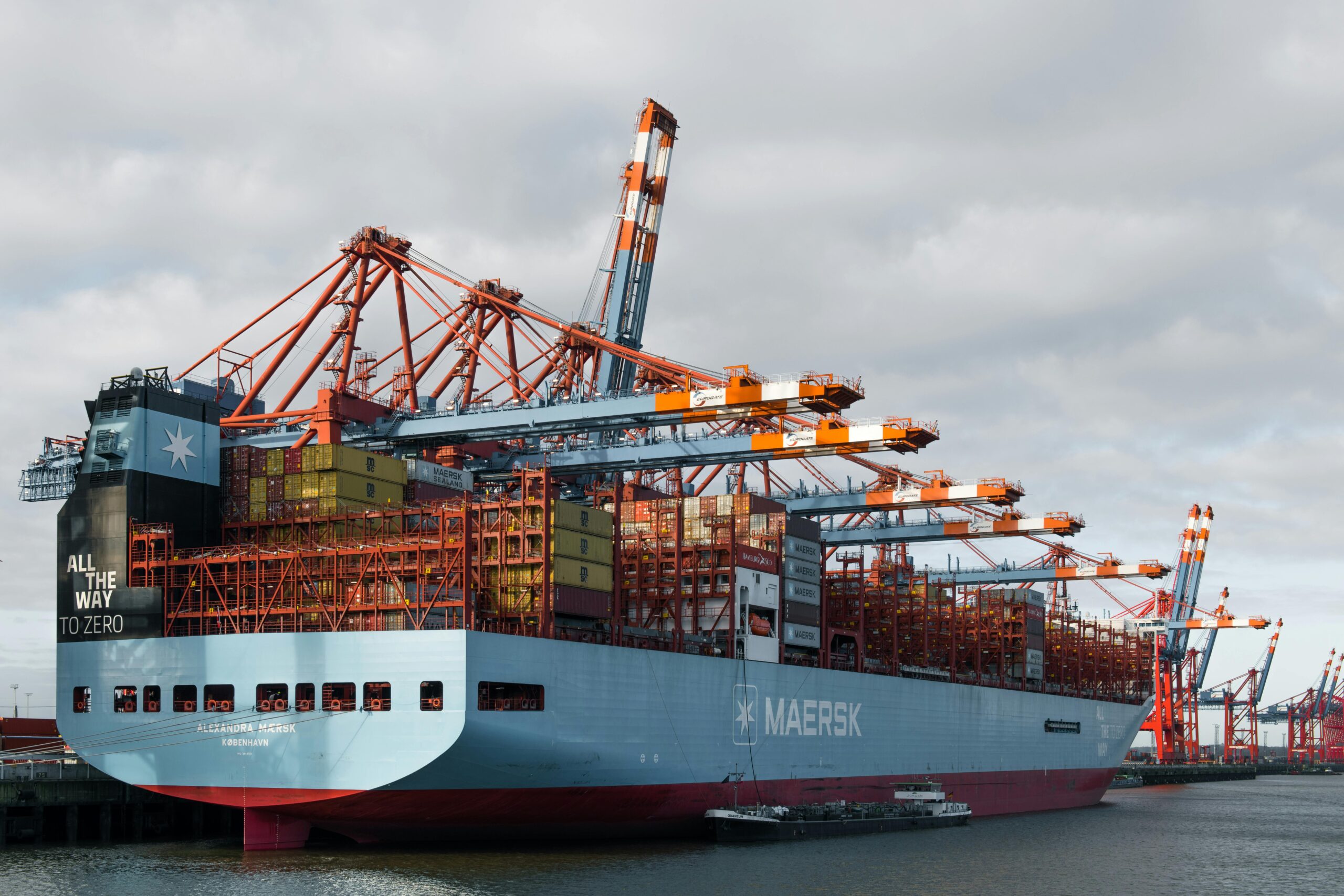
Despite these cancellations, deployed capacity on the trade remains elevated. Carriers have increased vessel size and retained extensive coverage rather than structurally removing services, which keeps downward pricing pressure in place.
Space is still available across most major load ports, although Shanghai, Ningbo and Yantian show tighter utilisation compared with Southeast Asia origins.
Slot-sharing flexibility continues to expand, allowing carriers to retain booking fluidity even when individual sailings are voided. This reduces the likelihood of meaningful tightening unless blank sailings continue beyond isolated weeks.
If January demand fails to accelerate, the market may re-enter the cycle of competitive rate reduction driven by carriers seeking to protect weekly utilisation.
External Factors That Could Influence Near-Term Stabilisation
European consumer spending and inventory strategies remain cautious, limiting large restocking programs. Retail and manufacturing purchasing behaviour still prioritises inventory efficiency rather than volume acceleration.
Fuel-related and environmental surcharges have fluctuated due to bunker cost movements and new carbon-compliance mechanisms, creating temporary discrepancies between liners’ quotations.
No widespread port disruption is observed across major European gateways, although seasonal weather exposure and periodic labour-related uncertainties remain watchpoints for long-haul planning.
A late Lunar New Year could generate short-term demand consolidation, but whether this is strong enough to counter oversupply will heavily determine the rate direction entering January.
Thank you for taking the time to review this update. RS Logistics will continue to track pricing behaviour, capacity actions, operational developments and macroeconomic indicators in real time. Our trade teams across China and Southeast Asia are fully aligned to provide timely market insights and ensure that our partners maintain full visibility on rate and space expectations.
Should you require lane-specific guidance or wish to explore opportunities for joint development, we are ready to support anytime.

.svg)