Asia–EU Freight Market Sentiment and Capacity Analysis
December 2, 2025
The Asia–Europe trade enters December with a more stabilised rate environment, yet underlying fundamentals remain fragile. While carriers are signalling firmer positions for the second half of the month, demand has not materially tightened, and structural oversupply continues to influence market behaviour. At the same time, macroeconomic sentiment in Europe remains cautiously optimistic—Eurozone inflation has eased significantly compared with earlier this year, and consumer sentiment is gradually recovering, though purchasing activity remains selective. Against this backdrop, carriers are adjusting pricing tactics, managing capacity, and reassessing service deployment in anticipation of 2026’s fuller recovery trajectory and the potential resumption of Suez routing.
Below is a consolidated view of the rate outlook, capacity developments and other key factors shaping the Asia–EU market for the upcoming half month.
Rate Trend
YML reduced its Week 50 spot quotations, with FP2/FE5/FE6 remaining the more competitive loops while FE3/FE4 were adjusted further downward, reflecting a tactical move to maintain volume intake amidst soft demand.
Average FAK indications for Week 50 stabilised across alliances, though pricing remains fragmented between OA, PA and independent carriers.
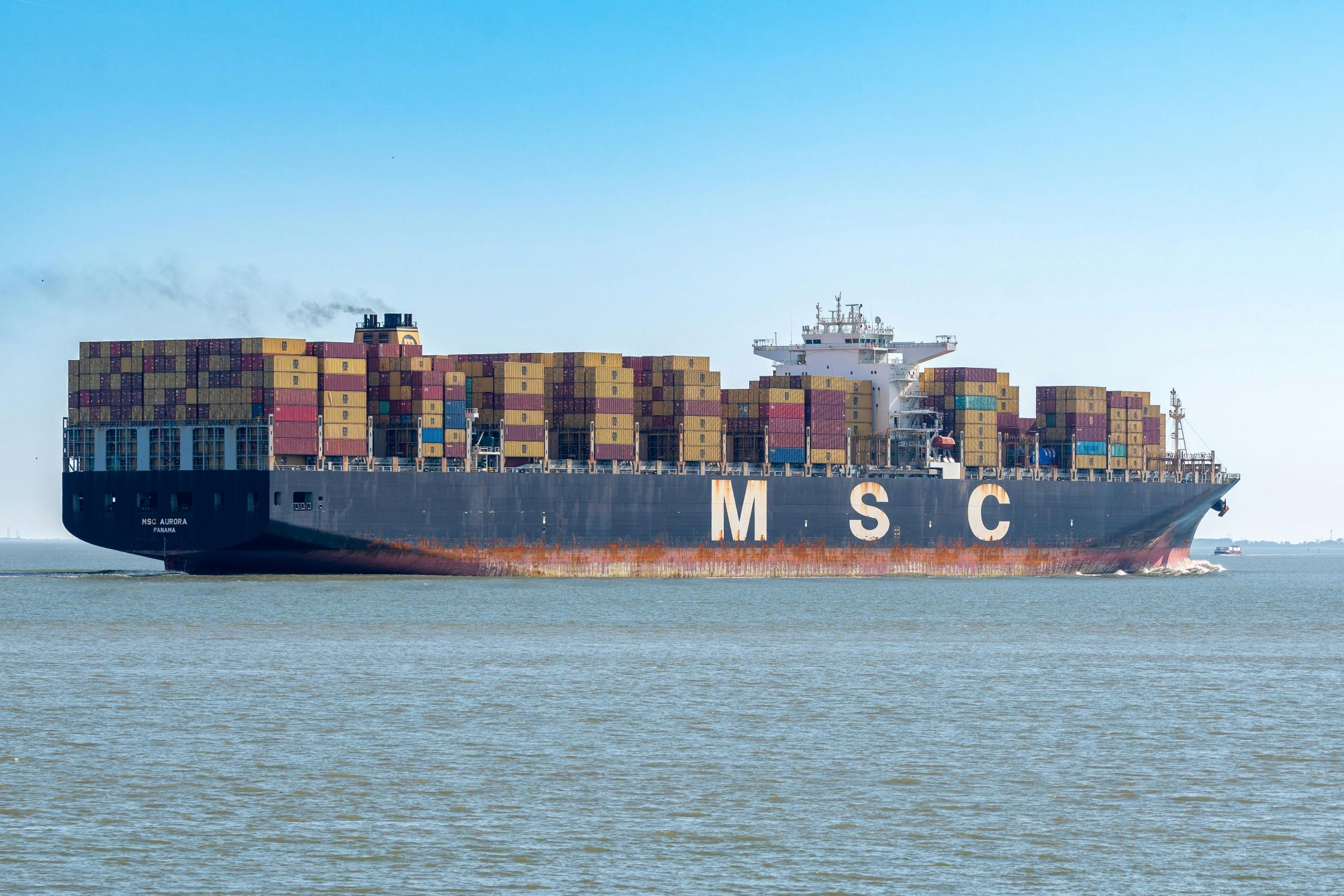
For the second half of December, Maersk opened Week 51 with moderately higher guidance across major EU base ports, while MSC’s online pricing was also revised upward. This has created a price “lift” in the mid-range of the market but without broad-based acceptance from shippers.
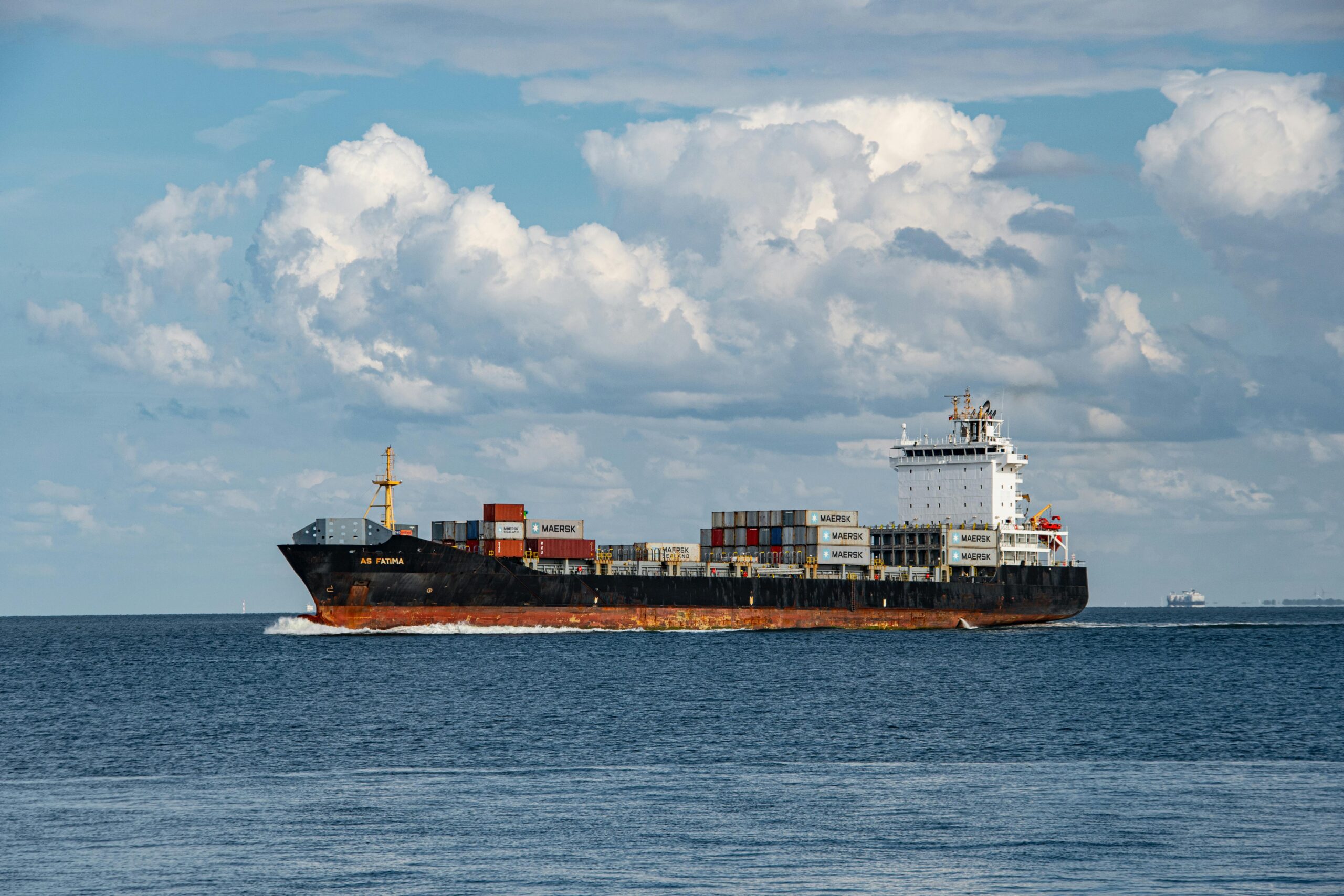
Despite these upward adjustments, loading conditions do not yet justify a sustained rate escalation. The presence of a Maersk-operated 13,000-TEU extra loader in late December may cap upward rate momentum and increase the likelihood of tactical reductions if monthly rollover demand softens.
CMA’s exploratory reinstatement of return-leg routings—although limited—adds marginal capacity into a market already facing supply abundance, serving as another rate-pressure point.
Capacity Forecast
Blank sailings for December remain relatively stable compared with prior years, indicating carriers are opting for targeted pricing rather than aggressive capacity withdrawals.
Maersk’s additional 13,492-TEU sailing (M/V MAERSK EINDHOVEN) will cover Qingdao/Ningbo to Bremerhaven/Gdansk, bypassing traditional EU base ports. While positioned as a support measure for winter cargo flows, this increment adds capacity buffer during a period when demand remains uneven.
2026 is expected to maintain the structural trend of supply growth outpacing demand. New tonnage delivery schedules remain front-loaded, and service reinstatement plans for Suez transits may accelerate as geopolitical conditions evolve.
Several carriers have indicated that Suez re-routing is now formally incorporated into forward deployment scenarios. Even without a confirmed timeline, the expectation of rerouting increases planning volatility, especially for alliance cycles and vessel turnaround times.
Other Market Factors Influencing Asia–EU Trade
Europe’s macro backdrop shows early signs of stabilisation: energy prices have moderated, Eurozone inflation has continued its downward trajectory, and retail activity is showing gradual improvement ahead of the year-end holidays. However, inventory levels remain manageable, limiting restocking-led surges.
Geopolitical uncertainties continue to affect transit planning. Although ceasefire negotiations in the Middle East are inching forward, carriers remain cautious on full Suez reinstatement due to safety considerations.
If Suez routing resumes meaningfully in 2026, transit times would shorten and fleet utilisation would rebalance, effectively adding net capacity to the global system—a dynamic that could push spot market floors toward early-2023 lows during slack seasons.
Market consensus currently anticipates that off-peak spot levels will continue drifting toward previously observed lower bands, while peak-season pricing is likely to be constrained by the structural oversupply environment.
RS Logistics will continue to monitor the Asia–EU market closely and communicate shifts in rate behaviour, carrier deployment patterns and macro conditions as they evolve. Our teams across China and Southeast Asia remain ready to support you with updated insights and capacity coordination throughout the month.

.svg)