In the first half of July, the Transpacific market is transitioning into a more balanced phase following the aggressive rate increases implemented at the beginning of the month. While overall demand remains supported by the traditional peak shipping season and continued front-loading by U.S. importers, market dynamics are becoming increasingly differentiated across individual trade lanes. Carriers have started adjusting capacity deployment in response to shifting demand patterns, creating opportunities in certain corridors while maintaining tighter supply in others.
To help you better understand the current market and support your sales activities at origin, please find below our latest market observations and outlook.
Ocean Freight Rate Outlook
Another General Rate Increase (GRI) was implemented on 1 July across the Transpacific trade. Although carriers announced significant increases at the beginning of the month, actual transactional levels softened shortly afterwards, particularly on Pacific Southwest services as additional capacity entered the market and competition intensified.
Peak Season Surcharge (PSS) remains in place throughout the first half of July. While carriers continue to maintain published surcharge levels, market execution has become increasingly flexible as individual carriers compete for cargo support.
Pacific Southwest (PSW) has shown the fastest rate correction among all major gateways. We expect pricing pressure to continue from the second week of July as carriers actively pursue cargo to improve vessel utilization. Overseas agents handling price-sensitive opportunities are encouraged to engage with us early, as more competitive solutions may become available.
Pacific Northwest (PNW) remains relatively resilient compared with PSW due to tighter capacity and limited service flexibility. Rate movements are expected to be more gradual despite increasing market competition.
U.S. East Coast (USEC) and Gulf Coast continue to experience downward pressure, although the pace of decline is slower than on the West Coast. Carrier pricing strategies remain disciplined as they seek to balance utilization while protecting revenue during the peak season.
Current market conditions suggest that published FAK levels are increasingly serving as guidance rather than reflecting actual transaction levels. We anticipate further pricing adjustments during the second half of July depending on booking momentum and vessel utilization.
Capacity & Space Forecast
Space availability has improved noticeably on Pacific Southwest services. Carriers are actively seeking additional bookings, creating greater flexibility for origin planning and improving the likelihood of securing preferred sailings.
Pacific Northwest continues to experience tighter vessel utilization, with capacity expected to remain constrained over the coming weeks.
Capacity into the U.S. East Coast and Gulf Coast has improved significantly compared with June. Weight restrictions have eased, allowing greater flexibility for heavier cargoes that previously faced booking limitations.
Blank sailings have reduced substantially across the Transpacific network. According to our latest carrier schedules, only 13 blank sailings are currently planned during the next four weeks, with no blank sailings scheduled for Gulf Coast services. Compared with previous months, this represents a meaningful improvement in schedule stability.
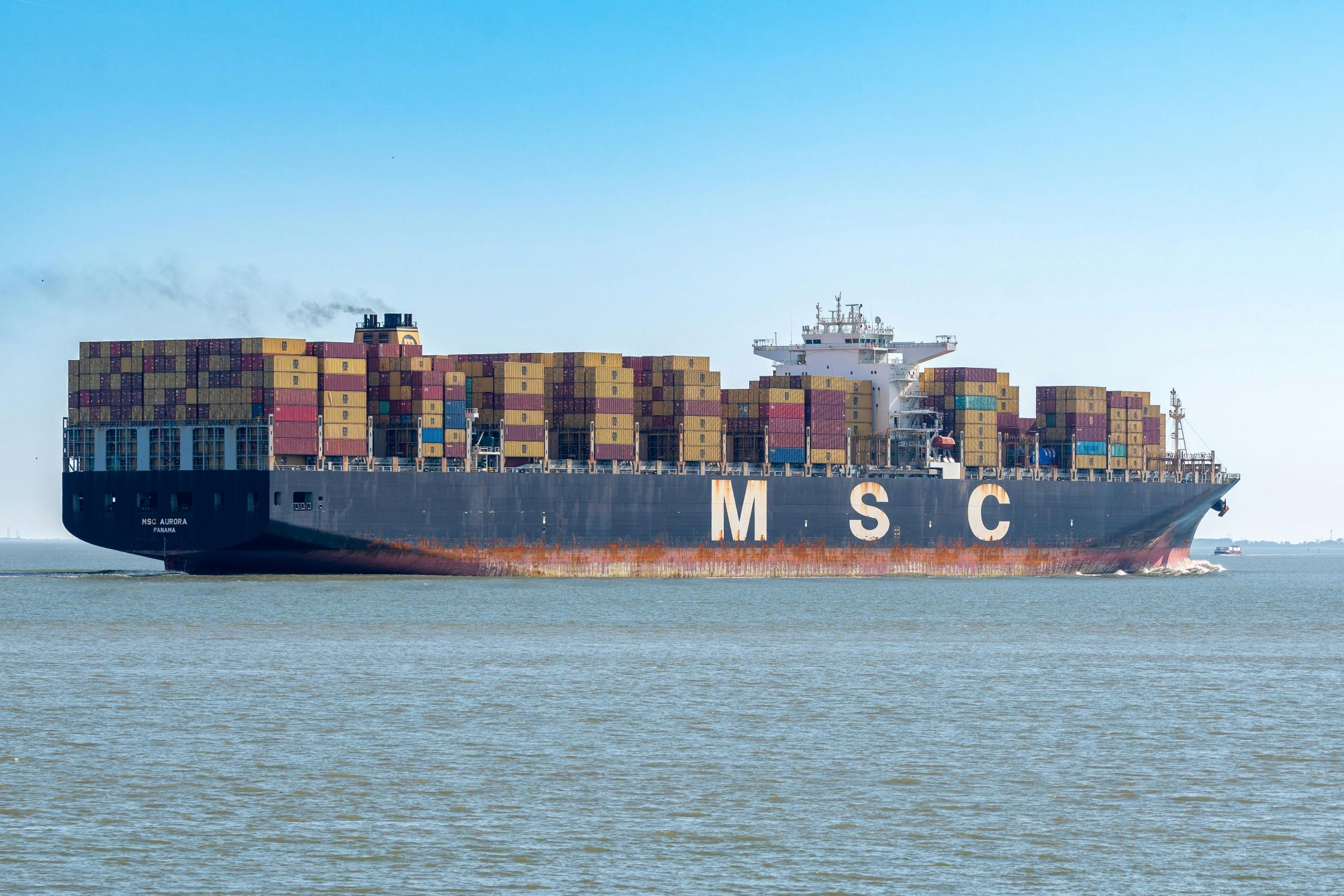
Looking ahead to the second half of July, carriers are preparing additional capacity for the Pacific Southwest market. Planned deployments include two extra loader vessels from Wan Hai, one additional MSC sailing and one Ocean Alliance extra loader, demonstrating carriers’ confidence in sustained cargo demand while helping relieve pressure on West Coast services.
SOC equipment availability continues to improve across most origins. Inland cargo movements have also become more flexible as equipment positioning and trucking capacity normalize.
Beneficial Cargo Owner (BCO) demand is expected to remain healthy throughout July as importers continue advancing shipments ahead of potential policy changes and to secure inventory before the traditional late summer peak season.
Market Drivers & Industry Developments
U.S. import demand remains stronger than seasonal norms as many retailers continue front-loading cargo to mitigate potential tariff adjustments, fuel cost volatility and ongoing supply chain uncertainty. This has effectively brought forward part of the traditional peak season into June and early July.
While geopolitical tensions in the Middle East remain an underlying risk to global shipping, the Transpacific market is currently being influenced more by carrier capacity management and demand patterns than by energy-related disruptions. Most carriers continue to monitor routing options closely, but no major operational changes have been observed on Asia–North America services.
Major carriers continue to demonstrate confidence in the market outlook. Several shipping lines have maintained additional seasonal capacity, while strong container demand has prompted leading operators to revise their earnings expectations upward, reflecting continued resilience in global container shipping despite broader economic uncertainty.
Market volatility is expected to remain elevated throughout July. Rather than moving uniformly across all gateways, pricing and capacity conditions are increasingly determined by individual trade lanes, carrier deployment strategies and booking momentum. Early communication and flexible routing will remain key to securing the most competitive solutions.
As always, our Transpacific Trade and Pricing teams continue to monitor carrier developments, capacity deployment and market movements on a daily basis. Should you have any upcoming inquiries or require the latest market intelligence, please feel free to contact your RS Logistics representative. We remain committed to providing timely updates, competitive solutions and reliable execution to support your business throughout the peak season.

.svg)