From Pressure to Balance: Asia–LATAM Market Observations
December 17, 2025
The Asia–LATAM trade is approaching year-end under a noticeably softer market environment, driven by ample capacity, cautious carrier pricing behavior, and selective demand pressure from seasonal commodities. This update consolidates insights from our China and Southeast Asia trade teams, together with recent market and macro developments, to enhance origin-side visibility and help align expectations on rate behavior and space availability for shipments moving to Mexico, the West Coast of South America, and the East Coast of South America.
Rate Trend Outlook for the Upcoming Half Month
Carrier attempts to lift freight levels in the first half of December have largely failed, as market capacity continues to exceed near-term demand.
Current market sentiment suggests rate softness is likely to persist through the end of December, with Southeast Asian origins potentially extending this trend into early January.
Some carriers have begun positioning for 2026 by publishing indicative forward rates, though these remain subject to cost components such as free time and local charges and should be viewed as directional rather than firm market signals.
On the East Coast of South America, several carriers are signaling intentions to adjust ocean freight levels toward the end of December, driven more by strategic positioning than by immediate space constraints.
Overall, pricing dynamics remain fragmented by trade, routing, and carrier, reinforcing the need for shipment-specific evaluation rather than broad market assumptions.
Capacity Forecast and Network Developments
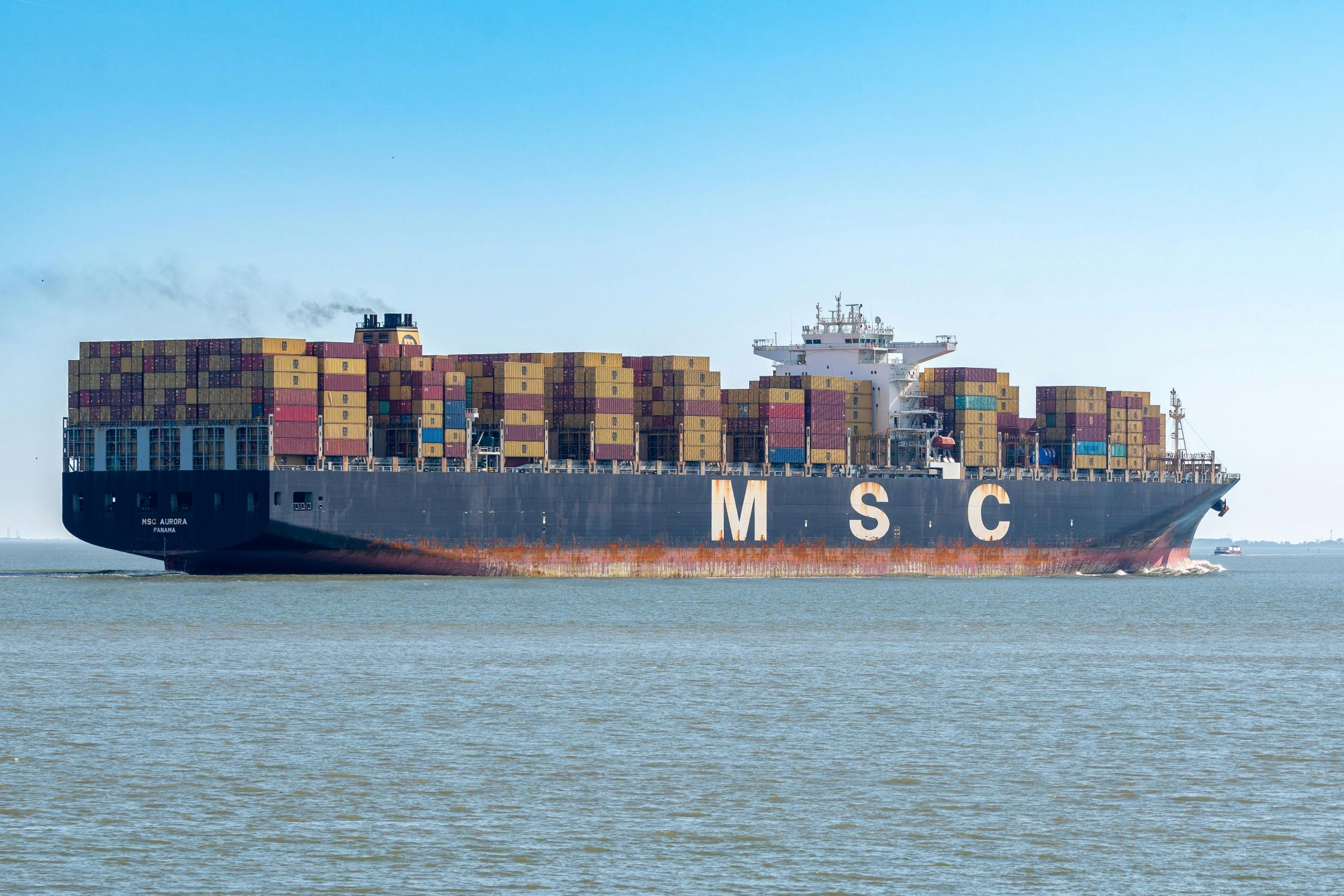
Market capacity remains generally ample across Asia–LATAM lanes, which continues to cap carriers’ ability to sustain rate increases.
ZIM’s ZAT service is scheduled to resume by the end of December, adding incremental capacity and optionality into the Mexico and West Coast South America trades.
COSCO and OOCL plan to suspend their WS8/TLP8 service at the end of December. The overall market impact is expected to be limited, with minimal disruption to marketing and booking coverage.
Several network adjustments are scheduled for early 2026, including new and revised service rotations by CMA and the deployment of larger vessels by COSCO and OOCL. These changes point to continued capacity optimization rather than contraction.
The introduction of larger vessels on selected routes is expected to further increase effective supply, especially on mainline corridors linking Asia with Latin America.
Other Factors Influencing the Market
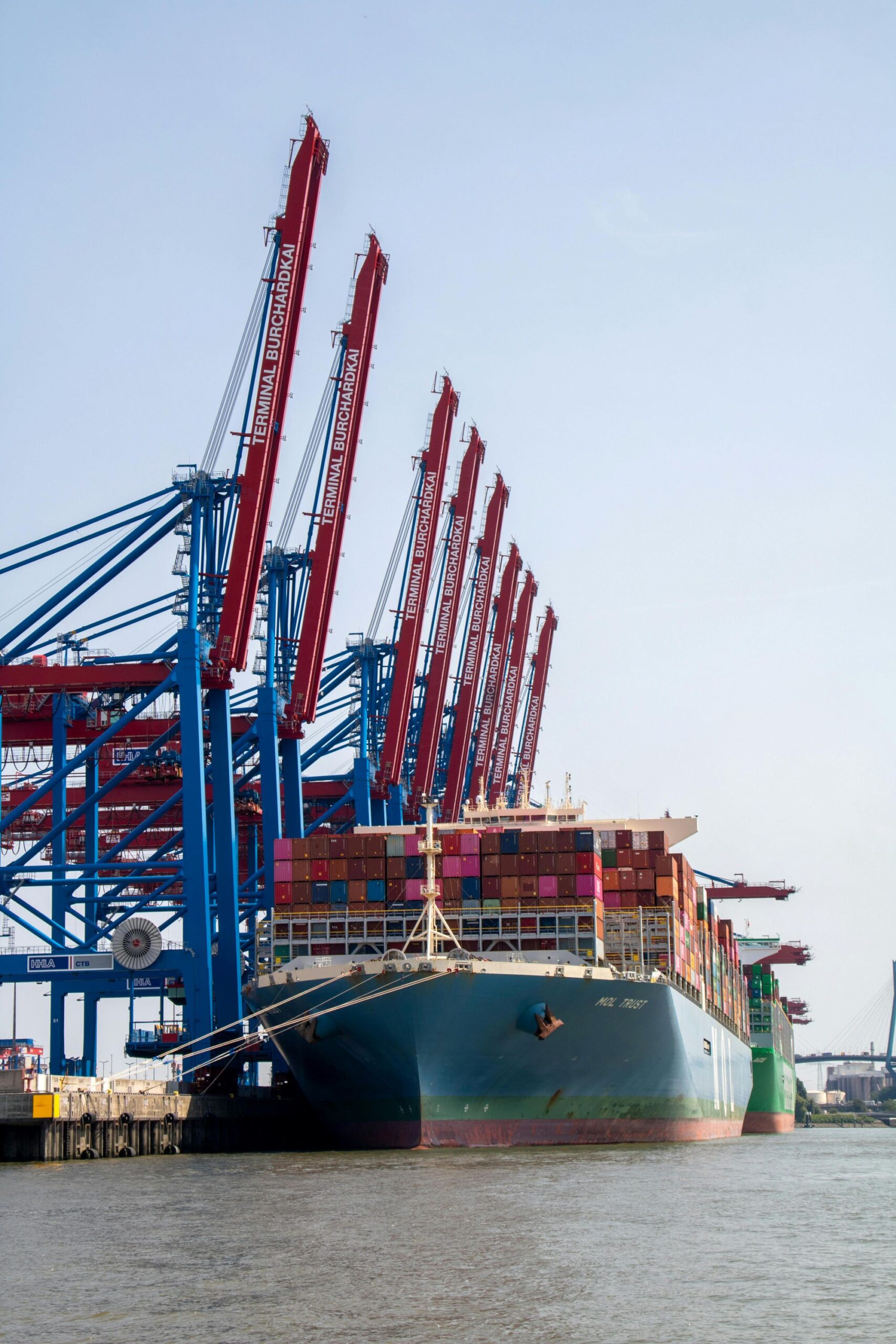
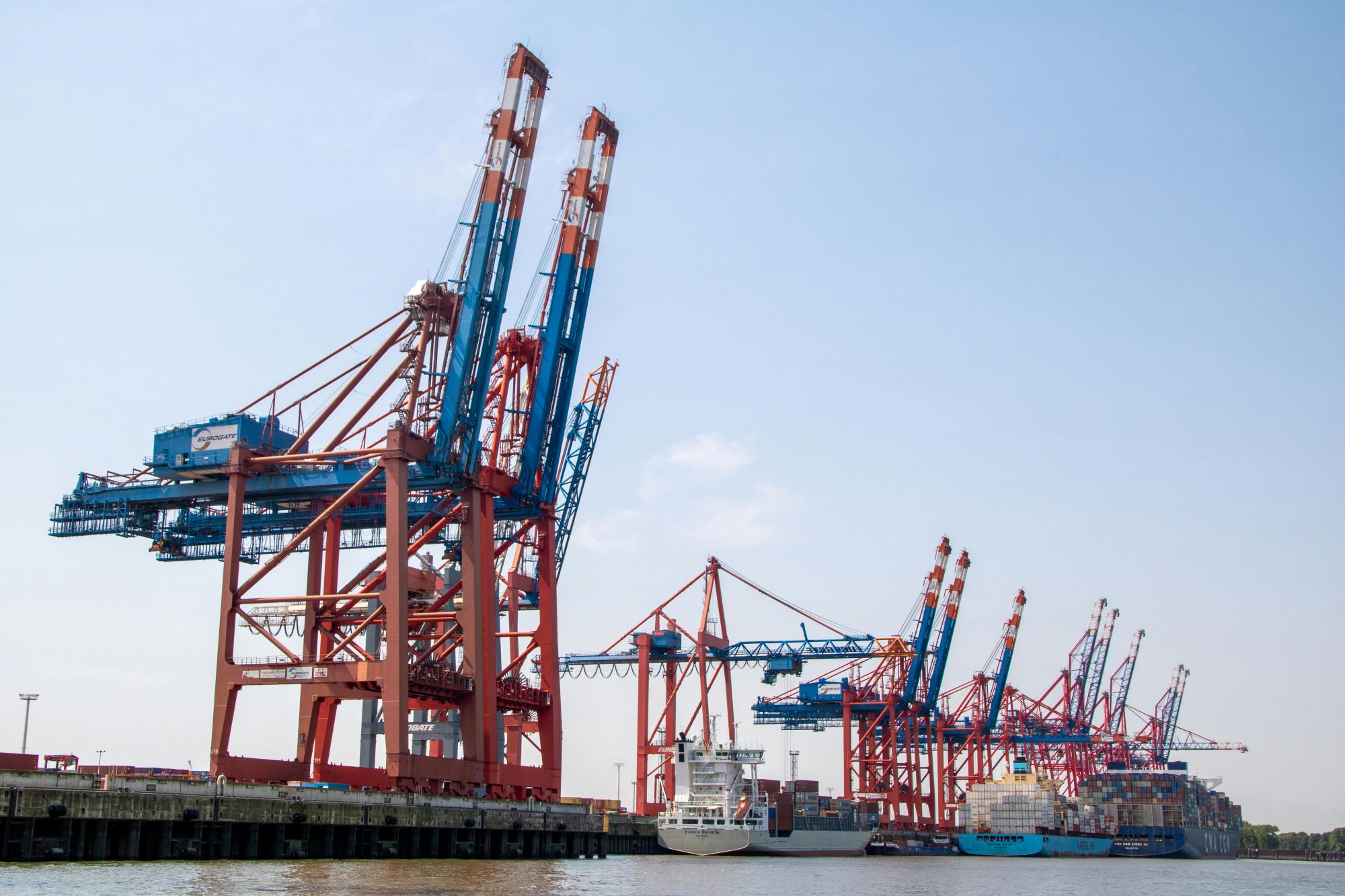
Port congestion remains a localized but persistent issue. Puerto Caldera and Buenos Aires continue to experience severe delays, affecting schedule reliability and inland planning.
At the same time, key transshipment hubs such as Cartagena and Panama have shown tangible improvements in berth productivity and cargo handling. This has reduced transit penalties on indirect routings, making transshipment services increasingly competitive for price-sensitive cargo.
Seasonal dynamics are becoming more pronounced on the South America West Coast. The peak fruit export season from Chile and Peru is tightening vessel and reefer space, particularly from December through January. Booking windows are extending, and competition for refrigerated capacity is intensifying due to time-sensitive export demand.
Looking further ahead, shipowners are actively planning for a potential resumption of Red Sea and Suez Canal routings. A broader reopening would shorten round voyages significantly, increasing effective fleet productivity and placing downward pressure on freight rates.
Fleet expansion remains a structural theme. With the global container fleet and orderbook both at record levels, the market is moving toward structural overcapacity in 2026, which is expected to suppress rate recovery and result in lower annual contract levels compared with 2025.
RS Logistics will continue to closely monitor carrier pricing behavior, capacity deployment, and operational conditions across the Asia–LATAM trade. Our teams in China and Southeast Asia remain in active discussion with carriers to manage space proactively and support shipment planning under evolving market conditions. We will keep you updated with timely insights as the market develops and are always available to align on specific routings or forward planning needs.

.svg)