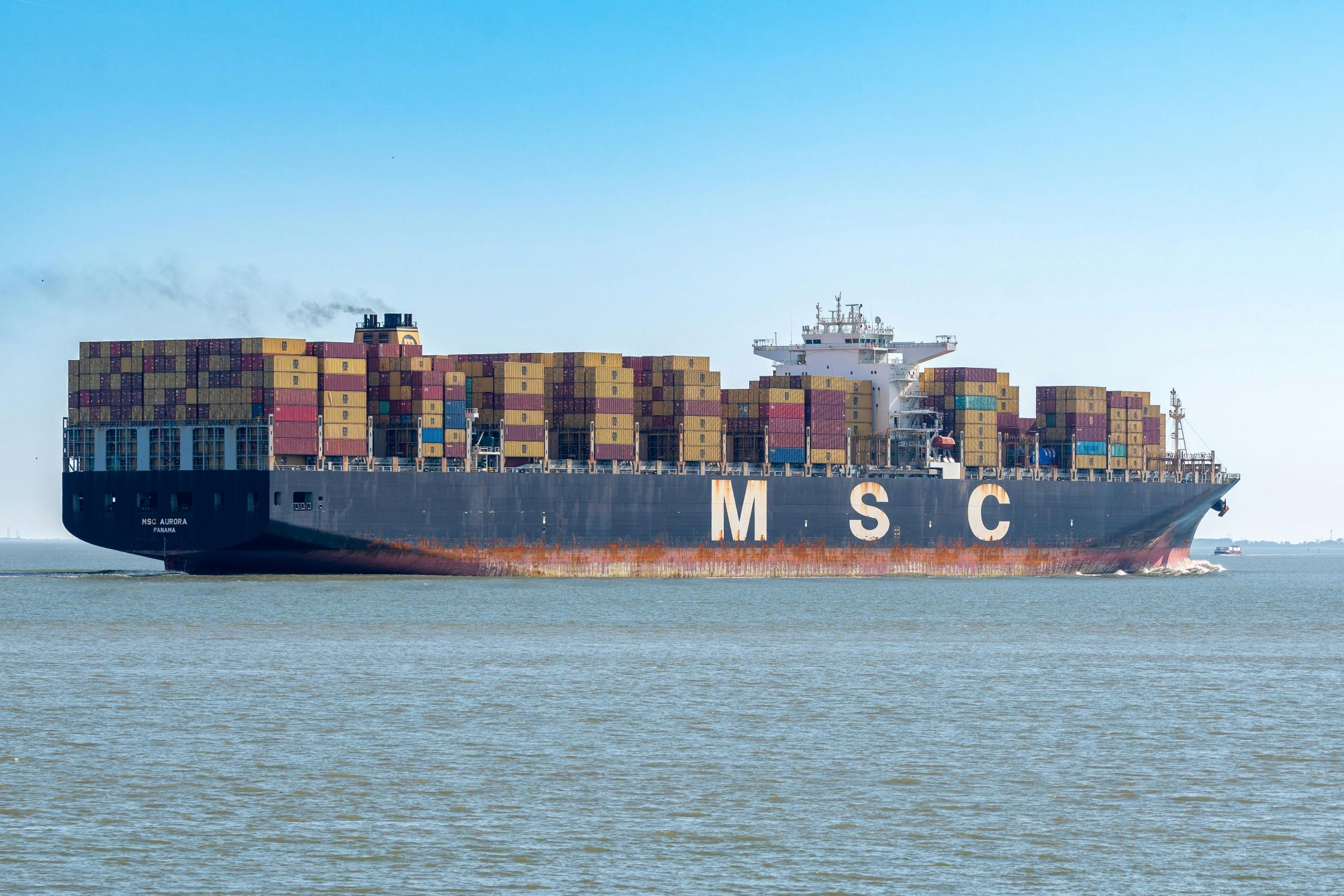
The Asia-Europe trade is transitioning into a more pronounced downward rate cycle during the second half of July. Following the June rate peak, carriers with high spot exposure are returning to market-based pricing as European holiday season weakens overseas BCO booking demand. Combined with elevated FAK levels suppressing traditional spot bookings, carriers are increasingly offering voyage-specific and port-specific promotions to fill capacity gaps. This shift marks the beginning of an accelerated decline phase, with early July spot averages already down substantially from the previous period and further reductions expected as major alliances adjust their pricing strategies.
To help you better understand the current market dynamics and support your sales activities at origin, please find below our latest observations and outlook for the second half of July.
Rate Direction and Carrier Pricing Strategy
Early July spot market averages have declined to moderate levels as carriers with high spot exposure begin adjusting pricing downward. Actual cargo collection prices including index-linked rates are running lower than published spot averages, reflecting the growing gap between nominal quotations and realized booking prices as carriers compete for volume.
GEMINI alliance has led the downward adjustment, with Week 30 opening prices declining substantially from the previous week. Index-linked rates within the alliance have followed suit, while online quotations remain aligned with the alliance pricing center. We expect this pricing direction to influence other alliances’ strategies for late July.
Ocean Alliance maintains higher rate levels compared with GEMINI, with most carriers continuing early July quotations into the second half of the month. Online rates and index-linked tiers show moderate differentiation across the alliance, while spot quotations remain relatively stable. However, if GEMINI pricing continues downward, Ocean Alliance carriers may face pressure to adjust.
Premier Alliance has introduced voyage-specific promotional pricing, with targeted promotions announced on specific FE4 and FP2 sailings. These promotions signal the alliance’s willingness to compete more actively for spot cargo. Following the latest pricing adjustment, Week 30 quotations are expected to show further downward movement.
SS service tier pricing has been reduced substantially from early July levels, with differentiated pricing maintained across DT and FAK tiers. The carrier’s actual blended cargo collection price reflects aggressive volume pursuit, positioning competitively against alliance carriers for price-sensitive opportunities.
Looking ahead to Week 30 and beyond, if Premier Alliance and Ocean Alliance pricing centers follow GEMINI’s adjustment trajectory, spot market averages may break below key psychological levels, representing a further decline from early July. Partners handling larger-volume or project cargo are encouraged to contact our pricing team directly, as market conditions remain negotiable and tailored routing solutions are available.
Capacity Outlook and Service Deployment
July weekly average capacity stands at approximately 323,000 TEU, up moderately month-over-month and substantially year-over-year. Despite this elevated capacity base, blank sailing discipline has improved compared with earlier periods, with only five cancellations recorded across the month.
All July blank sailings are concentrated within Ocean Alliance services:
CES service: Week 27 and Week 29 cancellations
AEU7 service: Week 27 cancellation, with an additional Week 30 cancellation moved forward from the original Week 31 schedule
LL1 service: Week 31 cancellation
CMA CGM has deployed a new vessel independently to the Week 31 FAL1 sailing. This deployment represents additional capacity entering the market outside the normal alliance slot-sharing arrangement and may introduce competitive pricing pressure if the carrier pursues aggressive volume targets for this sailing.
Week 31 capacity has been revised upward substantially following schedule adjustments, rising from an initial projection to a higher confirmed level. This upward revision reflects carriers’ confidence in sustained cargo demand heading into August despite the seasonal holiday period.
August capacity outlook shows moderate week-to-week fluctuation, with one additional Ocean Alliance blank sailing scheduled during Week 33 on the CEM service. Excluding vessels marked as to-be-nominated, August weekly average capacity is expected to remain relatively stable compared with July levels.
Market Drivers and Demand Outlook
European holiday season is the primary demand-side factor driving the current rate decline. As overseas BCO booking activity weakens seasonally, carriers face growing pressure to maintain vessel utilization through more competitive pricing, particularly on services with lower contract cargo ratios.
The elevated FAK rate environment continues to suppress traditional spot booking activity. With FAK levels remaining substantially above spot market averages, shippers with flexibility are increasingly shifting volume toward spot or index-linked arrangements, reducing carriers’ pricing power on premium-tier products.
Carriers with high contract cargo ratios have shown marginally reduced rolling volumes, suggesting that long-term contract holders are maintaining relatively stable booking patterns despite spot market softness. This contract stability provides some floor to the rate decline, though carriers with higher spot exposure face more acute volume pressure.
Looking beyond the immediate holiday period, the market’s trajectory will depend heavily on how quickly European demand recovers in late August and early September. Early engagement and flexible routing will remain important for securing competitive solutions as carriers balance capacity deployment against uncertain demand recovery timing.
RS Logistics will continue monitoring carrier pricing strategies, capacity deployment decisions and demand signals across the Asia-Europe trade closely. Our teams across China and Southeast Asia remain available to support booking planning, routing evaluation and space coordination for upcoming shipments. We will continue sharing timely updates as market conditions evolve throughout the summer season.

.svg)