Asia Latin America Freight Focus Capacity and Operational Challenges
June 16, 2026
The Asia–Latin America trade remains one of the strongest performing markets entering the second half of June, although signs of gradual normalization are beginning to emerge. Capacity reductions implemented throughout May continue to impact vessel availability, keeping most services fully utilized into early July. At the same time, carriers are actively introducing extra-loader vessels and reinstating suspended services to capture strong demand and improve schedule reliability. While traditional peak season continues through the summer months, higher freight levels have started to moderate booking activity, suggesting the market could gradually rebalance towards the end of June if additional capacity continues to enter the trade.
Rate Environment Remains Firm While Market Eyes End of June Adjustment
Major carriers continue implementing General Rate Increase programs across Mexico, West Coast South America, Caribbean and East Coast South America services, reflecting the ongoing imbalance between available space and cargo demand.
The market remains supported by the significant capacity reduction implemented during May, when approximately 76,000 TEUs, representing nearly 20 percent of available capacity, were withdrawn from the trade. The impact continues to be felt throughout June with vessel utilization remaining exceptionally strong.
Most carriers are maintaining a disciplined pricing strategy rather than competing aggressively for additional cargo, while contract and spot allocations remain tightly managed across the region.
Although June through August traditionally represents the export peak season, actual shipment growth has not accelerated significantly. Combined with the continuous deployment of extra-loader vessels, this may create room for a gradual correction in freight levels towards the end of June and early July rather than another round of aggressive increases.
The recently announced peace agreement between Iran and Israel is expected to reduce energy market volatility and ease pressure on bunker costs, providing a more stable cost environment for carriers moving into the second half of the summer season.
Additional Capacity Supports the Market but Space Remains Tight
Space availability across all Latin America services remains fully booked through early July, with Mexico, West Coast South America and East Coast South America continuing to experience strong allocation pressure.
Several blank sailings remain scheduled during Week 26, particularly across WCSA and ECSA services, primarily reflecting vessel deployment optimization and alliance network adjustments rather than weakening demand.
At the same time, carriers are actively deploying additional extra-loader vessels to absorb cargo demand:
ONE, TSL and SKR have introduced supplementary services supporting Mexico and West Coast South America.
Evergreen, PIL and ZIM have added extra-loader vessels covering East Coast South America, increasing flexibility for July shipments.
Service enhancements continue across the region:
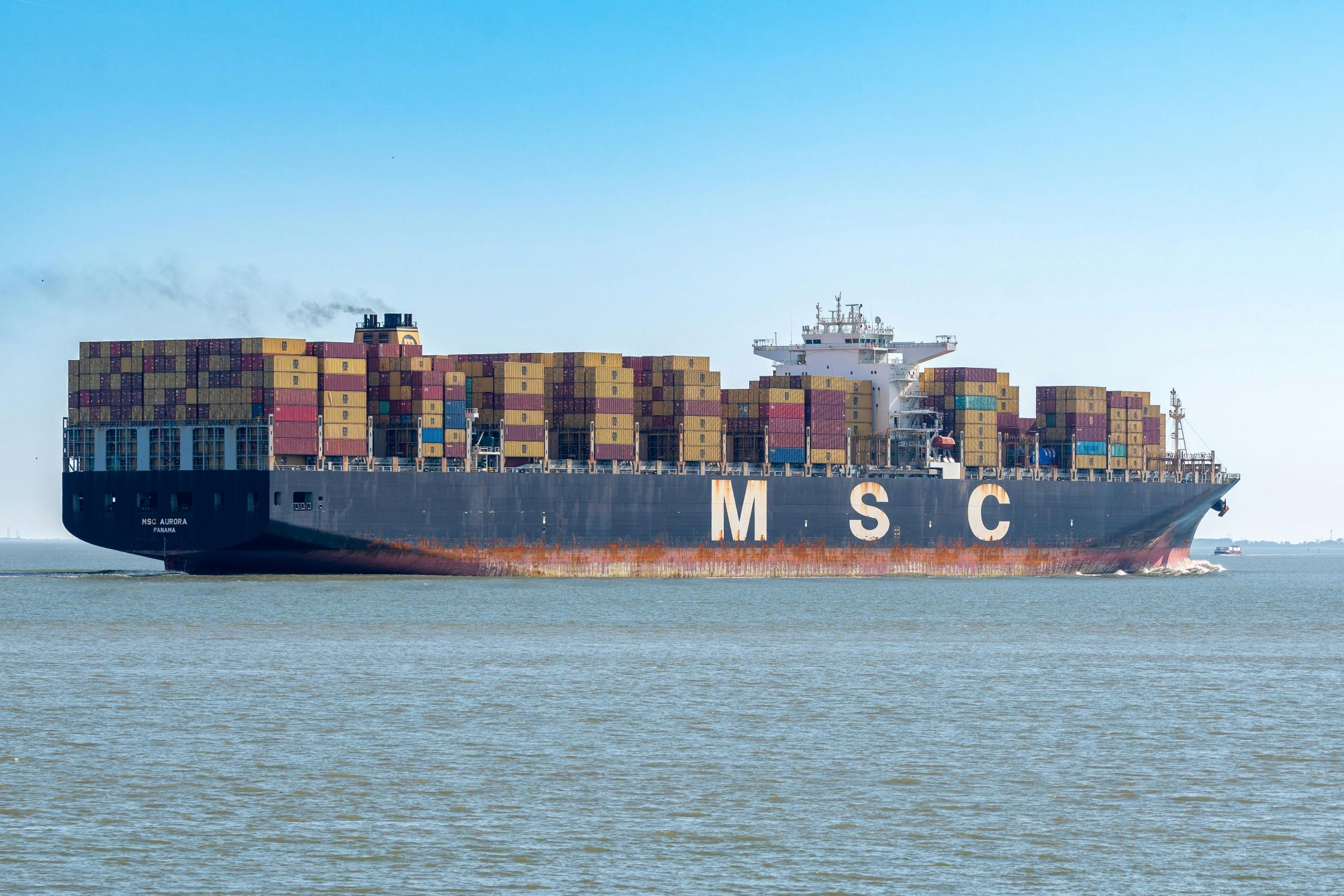
MSC has launched the new SIERRA service connecting North China directly with Manzanillo and Lazaro Cardenas, while offering feeder connections into Guatemala and Western Mexico.
Maersk will resume the AC1 service in early July, restoring direct Ningbo connections to Lazaro Cardenas, Buenaventura and Posorja.
CMA CGM is reintroducing the M2X service, strengthening direct connectivity from Shanghai to Ensenada and Manzanillo.
These network adjustments demonstrate that carriers remain optimistic about Latin America demand while attempting to relieve persistent space shortages through selective capacity expansion rather than broad market deployment.
Port Operations and Inland Logistics Continue to Challenge Supply Chains
Equipment shortages remain evident across several export gateways, while increasing terminal container drop-off charges continue to add operational costs throughout the region.
Vessel schedule reliability remains under pressure, with frequent delayed departures impacting shipment planning and connection reliability.
Lazaro Cardenas continues to experience customs inspection delays, container backlogs and yard congestion, with average vessel waiting times approaching six days. Increasing storage, detention and demurrage costs continue to affect overall logistics efficiency.
Manzanillo terminals remain heavily utilized, with berth congestion and high yard occupancy impacting vessel turnaround and cargo handling productivity.
Guayaquil is operating with yard occupancy exceeding 90 percent, limiting operational flexibility and increasing pressure on terminal resources.
Santos continues to experience unstable vessel schedules, frequent port omissions and occasional unplanned transshipment through South Africa. Combined with heavy truck congestion around São Paulo and complex customs procedures, inland logistics remain a key operational challenge for cargo moving into Brazil.
RS Logistics will continue to closely monitor carrier pricing strategies, capacity deployment, alliance developments and port operations across the Asia–Latin America trade. Our trade and pricing teams remain committed to providing timely market intelligence and practical origin solutions to support your customers and business development initiatives.
Should you have any upcoming opportunities from China or Southeast Asia, our teams are always ready to assist and identify the most suitable routing and carrier solutions for your shipments.

.svg)