Asia–Europe Trade Lane Update Rates Under Pressure as Port Congestion Eases
February 4, 2026
The Asia–Europe trade lane is entering the pre- and post-Chinese New Year window under a soft demand backdrop and easing operational pressure in North Europe, while carriers continue to fine-tune pricing and capacity to stabilise the market. Below is our latest origin-side assessment for the upcoming half of the month, combining trade team insights with current macro and operational developments, to support your planning and expectation management.
Rate Environment Market Still Searching for a Floor
Spot market conditions remain weak, with carriers continuing to adjust pricing to stimulate cargo intake ahead of and shortly after the holiday period. The current environment is characterised by a widening gap between published spot levels and actual executable market levels, particularly for volume-driven shipments.
Based on current booking behaviour, the final pre-holiday pricing adjustment window is expected to occur in the coming week, as carriers attempt to fill remaining space before the holiday slowdown. Additional downside risk remains, albeit more limited compared with earlier weeks.
From a carrier and alliance perspective, pricing behaviour has diverged:
Maersk’s holiday-period sailings are largely well utilised, with cargo intake mainly aligned to index-linked or volume-based pricing. Some booking flexibility is expected to reappear toward late February.
Ocean Alliance has largely completed its holiday rolling structure, with a stronger focus on long-term contract cargo and relatively limited spot exposure.
Premier Alliance continues to rely more heavily on spot intake to build holiday coverage, suggesting further downward price flexibility may still emerge in the near term.
Overall, rate dynamics remain volume-led rather than cost-led, and pricing stability will depend heavily on how effectively carriers manage capacity post-holiday.
Capacity Outlook Holiday Management and Post-Holiday Openings
Capacity during the Chinese New Year period remains tightly managed, with carriers prioritising vessel utilisation ahead of the holiday and limiting open space for spot cargo.
For Maersk-operated services, holiday sailings are expected to operate close to full utilisation, with booking openings gradually reappearing toward the end of February as post-holiday demand visibility improves.
Ocean Alliance capacity is largely aligned with contractual commitments, resulting in limited spot availability in the near term.
Premier Alliance is still in the process of finalising its holiday rolling plan, which may result in incremental spot capacity becoming available, particularly if demand remains soft.
No major new service launches or withdrawals are expected in the immediate window; instead, carriers are focusing on fine-tuning vessel utilisation and rolling cargo structures to balance the post-holiday market.
Other Market Drivers Port Conditions and Macro Signals
Weather-related disruption in North Europe is gradually easing. Recent carrier updates and third-party data indicate that the impact of snowstorms and severe winter conditions on key ports is diminishing.
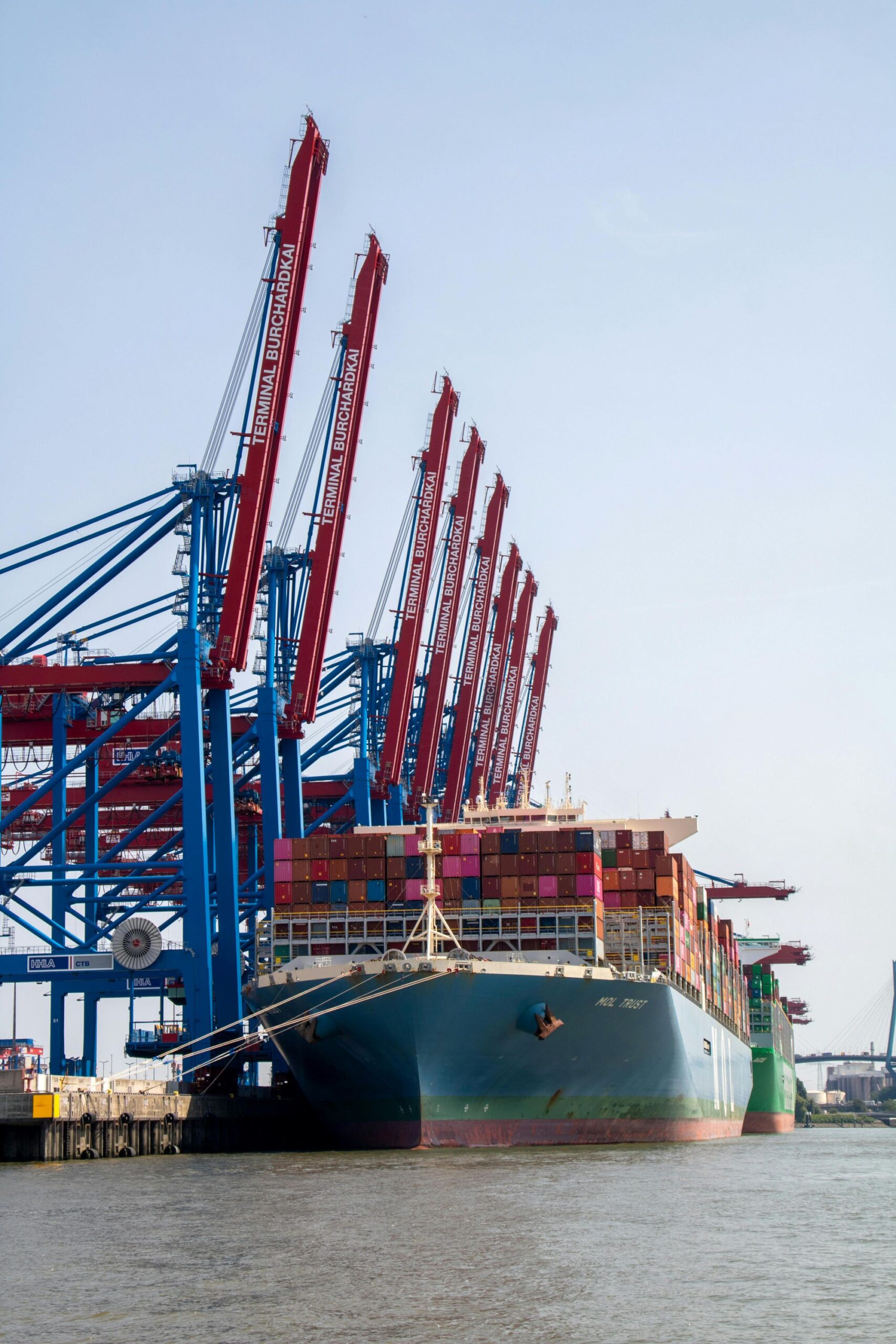
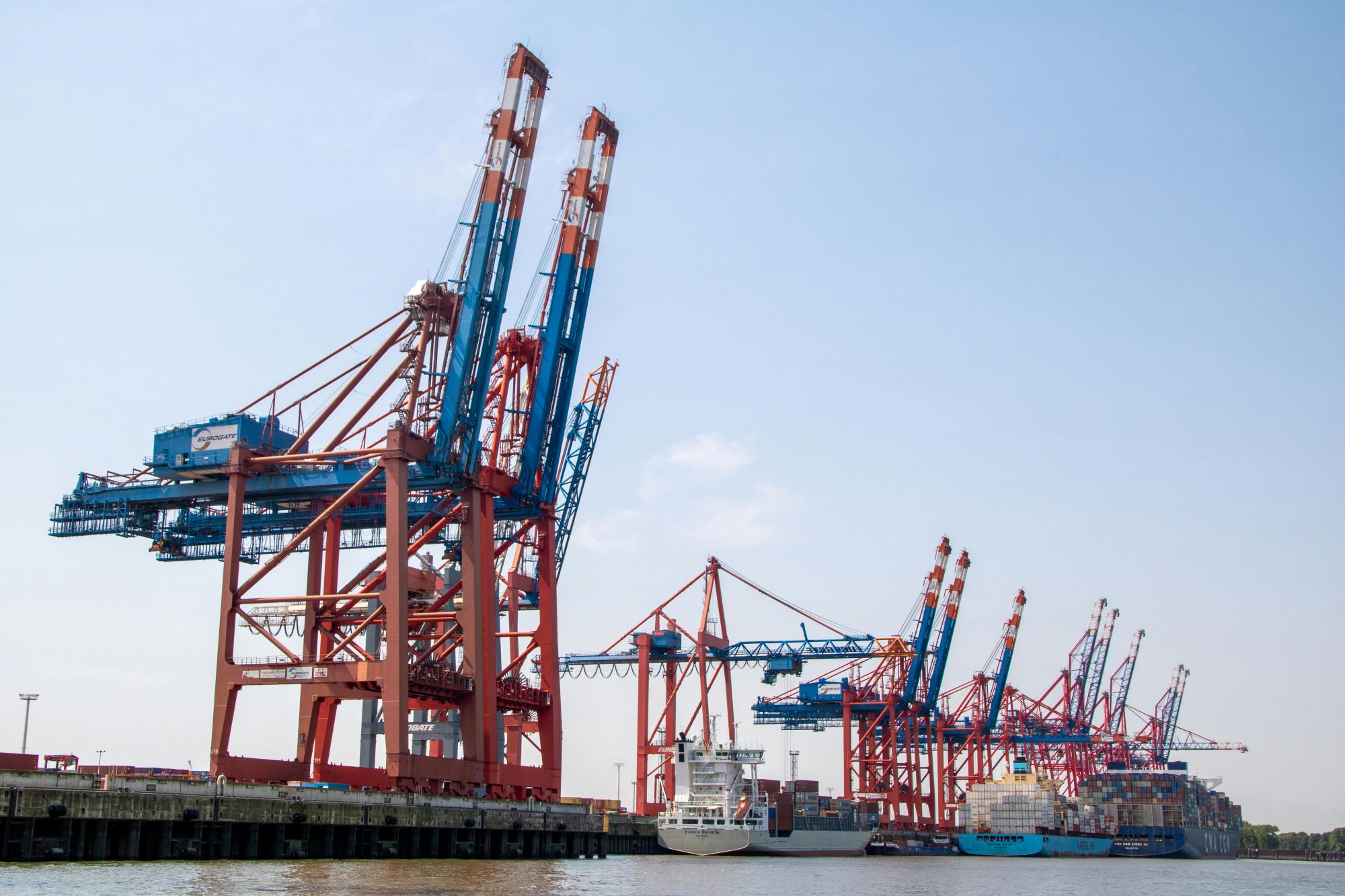
Congestion levels at major Northwest European hubs have declined noticeably from early January peaks. Hamburg, Antwerp, and Rotterdam have all seen measurable reductions in waiting vessels and port congestion, reflecting improving terminal productivity.
Current port waiting times remain manageable, though still elevated compared with normal conditions. Sub-zero temperatures in parts of Northern Europe may continue to cause minor vessel handling delays, but systemic disruption risk has reduced.
From a macroeconomic perspective, European import demand remains cautious, with buyers maintaining conservative inventory strategies amid ongoing uncertainty around consumption recovery and cost pressures. This continues to cap upside momentum for the Asia–Europe lane in the near term.
In summary, the Asia–Europe market over the coming half month is expected to remain soft on rates but disciplined on capacity, with improving port conditions providing some operational relief. Rate stabilisation will depend largely on post-holiday demand recovery and carriers’ ability to maintain supply control.
RS Logistics will continue to closely monitor pricing behaviour, capacity deployment, and port performance across Europe, and we will keep you updated as conditions evolve. Our teams remain available to discuss specific shipment requirements and provide guidance based on the latest market developments.

.svg)