
.svg)


Understanding the Impact of Red Sea Disruptions on Global Trade
As 2023 concludes, the shipping industry stands on the brink of a crisis sparked by unforeseen geopolitical events.Houthi armed forces'...
Read More

Flexibility. Risk control. Service that counts
The globalization of production and distribution has rendered international logistics a cornerstone of modern commerce. Within this context, firms are faced with the decision of whether to engage directly with carriers or to employ the services of freight forwarders. While direct contractual relationships with carriers may appear to offer cost savings or simplicity, empirical evidence suggests that freight forwarders continue to play a critical role in facilitating trade. Their value proposition is particularly evident in three dimensions: flexibility, risk management, and customer service.
The Strategic Role of Freight Forwarders
A freight forwarder may be defined as a service provider that organizes and manages the transportation of goods across borders, drawing on a network of carriers, agents, and complementary service providers. Beyond merely arranging transport, forwarders typically assume responsibility for documentation, customs clearance, and multimodal coordination. They thus operate as integrators of services, translating the complexity of international logistics into manageable solutions for shippers.
This intermediation is especially valuable for small and medium-sized enterprises (SMEs), which often lack the bargaining power or internal expertise required to engage directly with major carriers. Freight forwarders, by aggregating volumes from multiple clients, are able to negotiate more favorable terms and extend services that would otherwise be inaccessible.
Flexibility in Capacity and Routing
Carrier contracts, particularly in the era of shipping alliances, frequently bind shippers to predetermined routes and schedules.
Such arrangements reduce optionality: when sailings are canceled or ports experience congestion, shippers may encounter significant delays. Freight forwarders mitigate this rigidity by maintaining access to multiple carriers across various alliances. This allows for substitution in the event of service disruption. Moreover, forwarders can integrate multiple modes of transport—air, sea, rail, and trucking—thereby creating multimodal solutions that carriers alone seldom provide.
For exporters and importers in developing markets, forwarders’ ability to consolidate shipments is also decisive. Less-than-container-load (LCL) services, often organized by forwarders, enable firms to participate in international trade without the necessity of full container volumes. In this way, forwarders lower the barriers to entry into global markets.
Risk Management: Operational, Financial, and Regulatory
The volatility of international shipping has increased in recent years, with carriers frequently engaging in blank sailings to balance supply and demand. Firms engaging directly with carriers may be exposed to sudden cancellations, resulting in extended lead times and disrupted supply chains. Freight forwarders, in contrast, are positioned to reallocate shipments across carriers or to reroute cargo via alternative ports and services.
Financial risks are also significant. Carriers often require prepayment or strict contractual terms that may not align with the working capital capacities of SMEs. Forwarders act as financial buffers, offering trade credit, staged payments, and credit control systems designed to reduce exposure for shippers.
Regulatory risk further underscores the importance of forwarders. International trade requires compliance with diverse customs regimes, security filings, and documentation standards. Forwarders possess specialized knowledge of these requirements and frequently employ standardized documentation practices, thereby reducing the probability of compliance breaches, fines, or shipment delays.
Customer Service and Value-Added Solutions
Although carriers are highly efficient in moving containers, their service models are designed for scale rather than for customization. As a result, carriers typically provide limited direct engagement beyond standardized digital platforms.
Freight forwarders, however, are distinguished by their service orientation. They provide dedicated account management, proactive communication regarding shipment status, and real-time visibility through integrated digital platforms. In addition, they offer value- added services such as warehousing, labeling, packaging, and distribution, thereby functioning as end-to-end logistics providers.
This service model is particularly important in volatile environments, where proactive communication and exception handling can be the difference between continuity and disruption of supply chains.
A Comparative Illustration
Consider an exporter in Southeast Asia shipping consumer electronics to Europe. Under a direct carrier contract, the exporter may be tied to a single service. If the scheduled vessel is canceled, the shipment may be delayed by several weeks. By contrast, a freight forwarder managing the same shipment can rebook with an alternative carrier, reroute via a transshipment hub, and consolidate volumes with other exporters to optimize cost. The forwarder also manages customs clearance, inland transport, and documentation, ensuring the shipment progresses with minimal disruption.
This illustration underscores the systemic value forwarders provide: they transform a single point of failure into a network of options.
Technology and Digital Integration
The modern freight forwarding industry has also embraced digital transformation, providing clients with platforms that integrate booking, tracking, and documentation into a single interface. At RS Logistics, our MyRS platform exemplifies this evolution by offering a unified system for shipment management, real-time Cargo Tracking, and end- to-end visibility. Moreover, through EDI and API connections, MyRS enables secure and efficient data exchange with customers and partners, enhancing transparency and operational control. This digital adaptability not only improves visibility and decision-making but also reduces administrative overhead. Unlike the standardized portals offered by carriers, forwarder-developed platforms such as MyRS are designed for flexibility, providing tailored solutions that align with diverse customer requirements.
Conclusion
Freight forwarders are more than intermediaries—they are strategic partners that deliver flexibility, risk resilience, digital visibility, and tailored service in a volatile trade environment. RS Logistics, with established partners across China and Southeast Asia, embodies our tagline “Logistics through Innovation, Dedication and Technology” by combining multi-carrier flexibility, proactive exception management, and real-time tracking into one seamless solution. For shippers, the choice is not “middleman or direct,” but rigidity or resilience—and resilience wins. To explore how we can strengthen your supply chain, contact us at contactus@rslog.com.
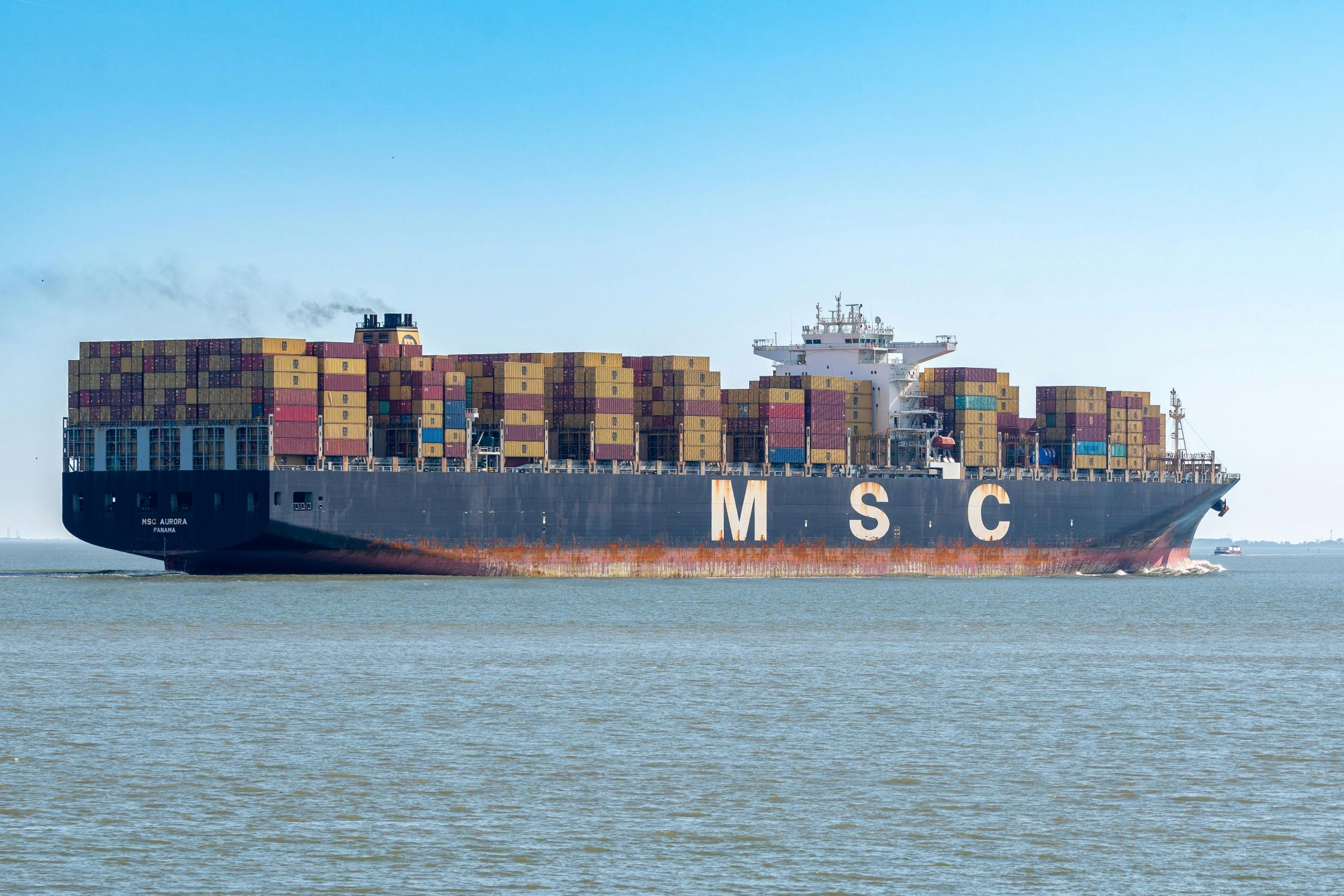
As 2023 concludes, the shipping industry stands on the brink of a crisis sparked by unforeseen geopolitical events.Houthi armed forces'...
Read More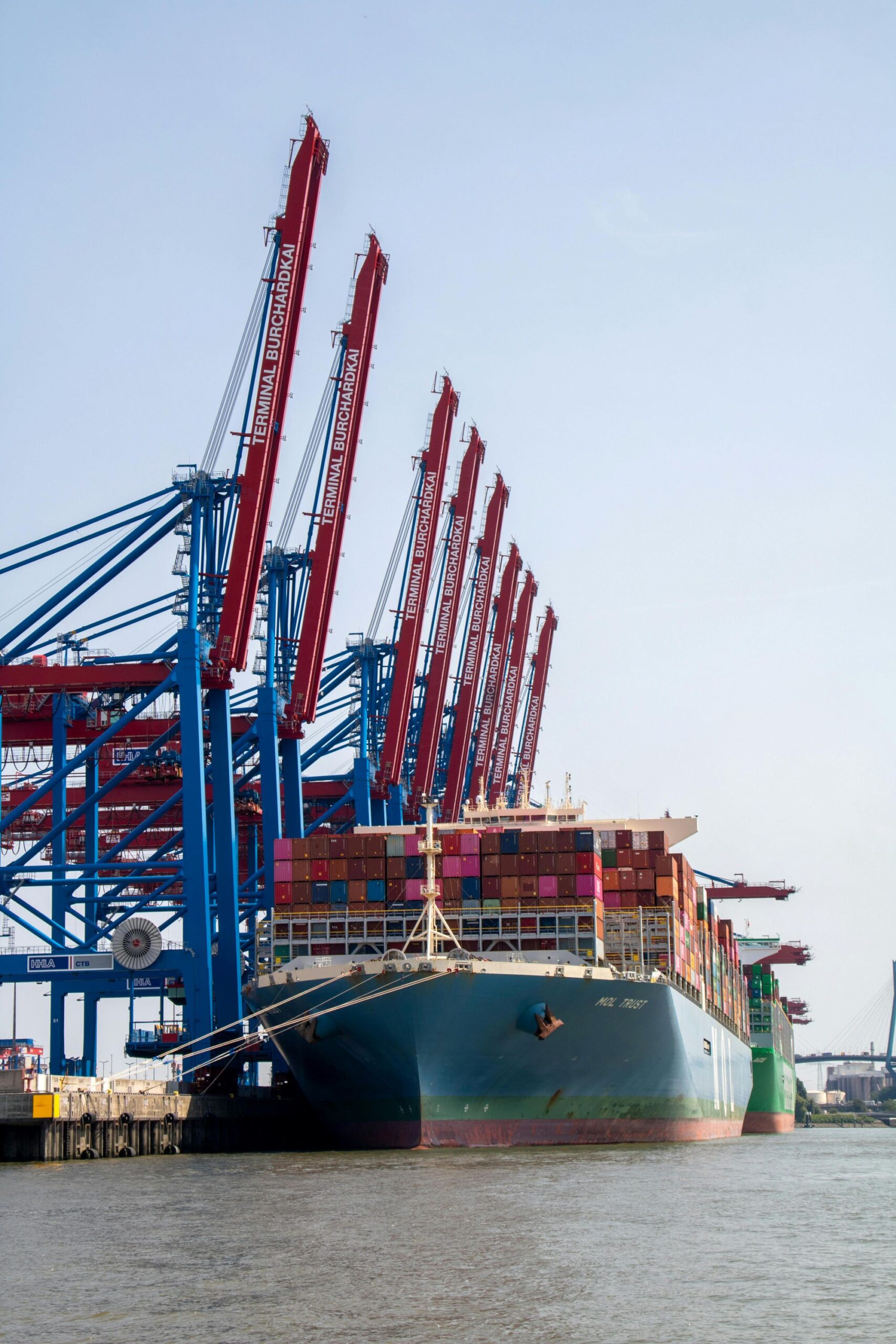
This week brings pivotal changes to the maritime industry, with significant events influencing global trade and logistics. From the formation...
Read More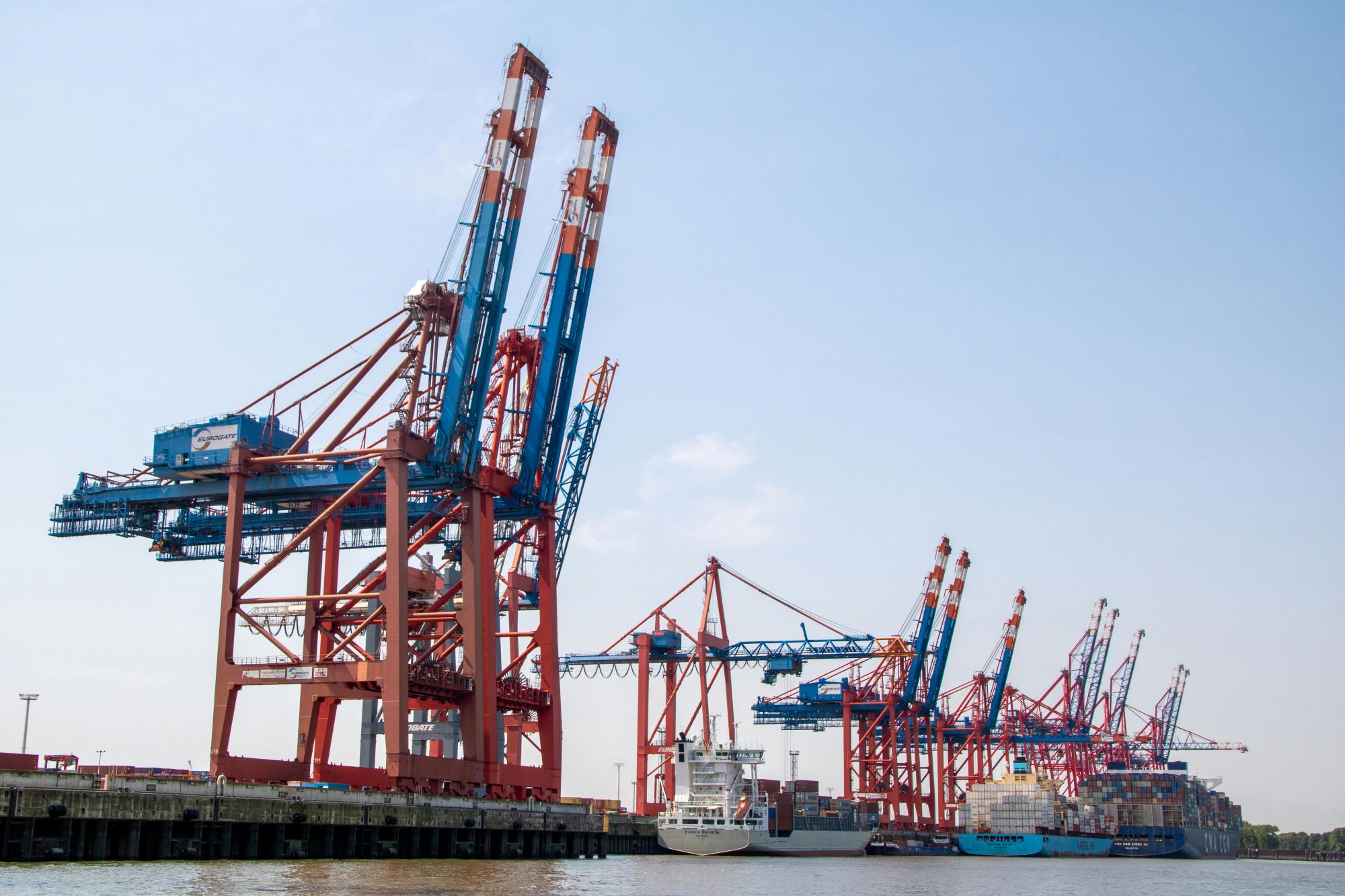
Projected global economic growth of 3.1% in 2024 sets an optimistic backdrop for the shipping industry, as increased economic activity...
Read More
Welcome to this week’s market update, where we provide a strategic analysis of the latest developments impacting the logistics industry....
Read More