
.svg)


Understanding the Impact of Red Sea Disruptions on Global Trade
As 2023 concludes, the shipping industry stands on the brink of a crisis sparked by unforeseen geopolitical events.Houthi armed forces'...
Read More

A recent notice from the major alliances — Ocean Alliance, THE Alliance, Gemini (Maersk/Hapag-Lloyd), MSC, and several independent carriers — reveals an extensive series of blank sailings across Weeks 40–44 of 2025. The affected services cover the U.S. East Coast (USEC), U.S. West Coast (PSW/PNW), Gulf, and selected niche trades, signalling a broad recalibration of liftings on the Asia–Transpacific corridor. Awareness of these developments is critical, as large-scale blank sailings have a direct bearing on available capacity, schedule reliability, and freight rate stability across the Asia–North America trade. A clear view of these dynamics enables RS Logistics and our partners to plan allocations, manage customer expectations, and safeguard service performance as market conditions evolve.
Scale of Capacity Withdrawal
Likely Drivers
Implications for Shippers
Recommended Actions
Market Outlook
Although blank sailings form part of the normal post-holiday adjustment, the breadth of these cancellations suggests a deliberate strategy to defend yields during a soft demand phase. Should U.S. holiday restocking accelerate in late Q4, some of the later cancellations may be reversed; a continuation into November would indicate ongoing pressure on head-haul utilisation.
Conclusion
The announced blank sailings represent a substantial, though likely temporary, tightening of Asia–North America ocean freight capacity. Shippers are encouraged to plan conservatively, diversify routings, and stay informed as the market finds balance through Q4 2025. At RS Logistics, we continue to monitor market dynamics closely and support our partners with timely insights, capacity planning, and technology-driven visibility through MyRS.
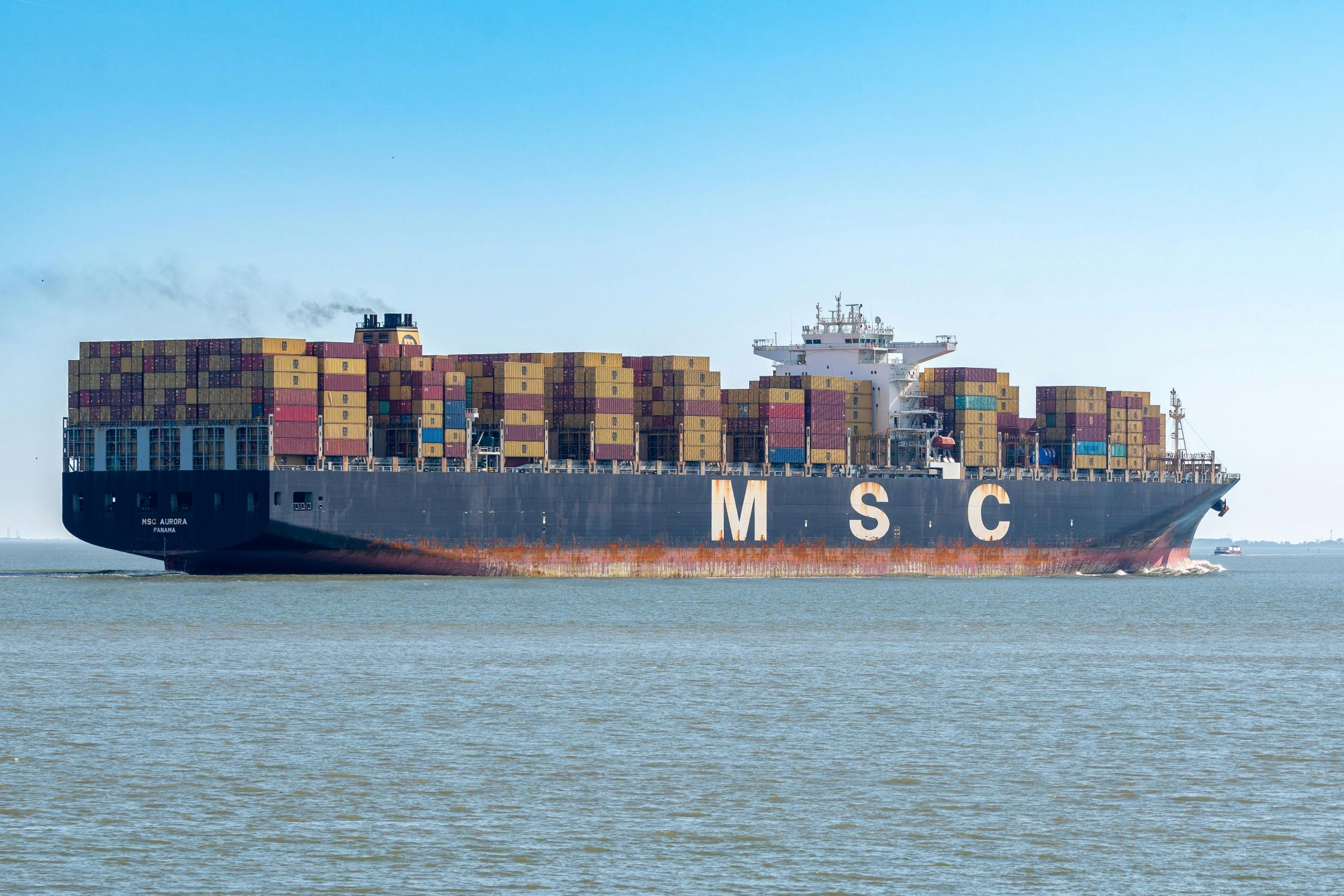
As 2023 concludes, the shipping industry stands on the brink of a crisis sparked by unforeseen geopolitical events.Houthi armed forces'...
Read More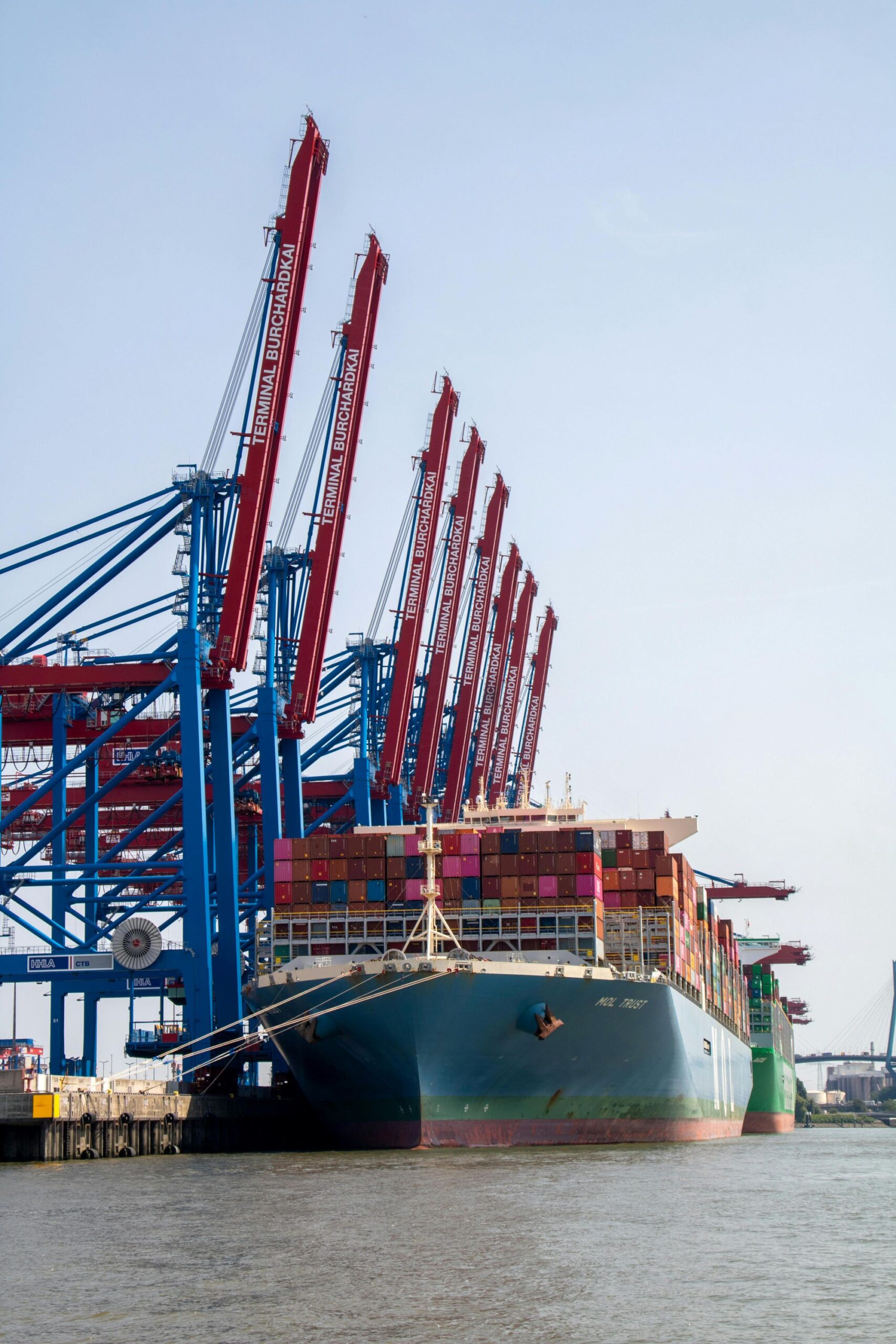
This week brings pivotal changes to the maritime industry, with significant events influencing global trade and logistics. From the formation...
Read More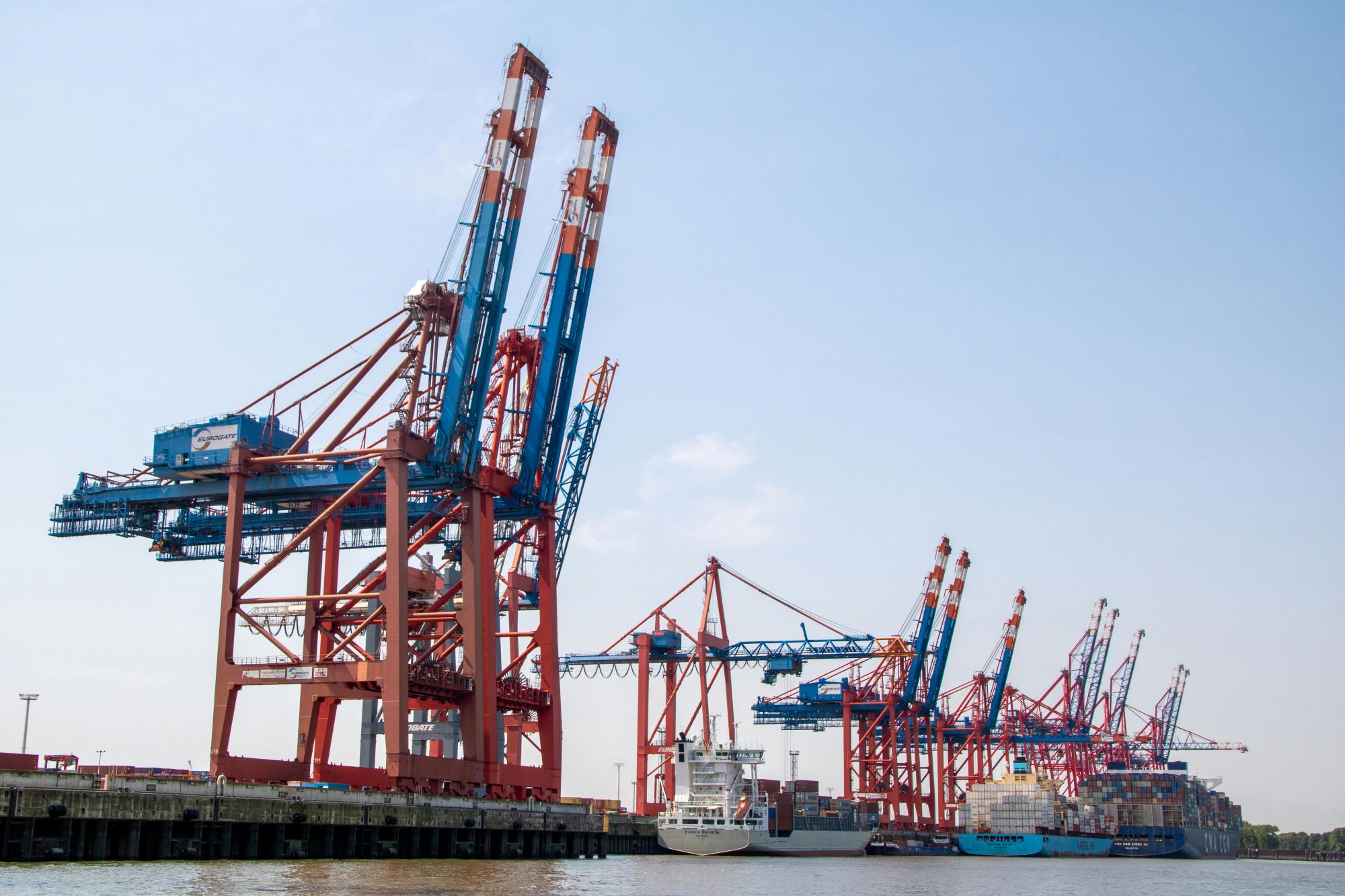
Projected global economic growth of 3.1% in 2024 sets an optimistic backdrop for the shipping industry, as increased economic activity...
Read More
Welcome to this week’s market update, where we provide a strategic analysis of the latest developments impacting the logistics industry....
Read More