What Is Moving the Asia Europe Freight Market This Month
March 2, 2026
Following the Chinese New Year holiday period, export activity across Asia is gradually returning to normal levels. However, cargo recovery has been slower than expected as many factories resumed operations progressively after the Lantern Festival. At the same time, developments in the Middle East and Red Sea region are beginning to influence vessel deployment, routing decisions, and carrier pricing strategies across the Asia–Europe trade. These factors are shaping the rate environment and capacity balance for the coming weeks.
Below is our latest market observation from the origin side combining feedback from our trade team and broader industry developments.
Rate Trend Outlook for the Second Half of March
In the first half of March, spot market quotations showed clear divergence among carriers. Some carriers attempted modest increases to test market acceptance, while others maintained conservative pricing strategies to support vessel utilization after the post-holiday demand slowdown.
Certain alliances released promotional rates on specific sailings, reflecting ongoing pressure to secure cargo while export volumes are still stabilizing after the holiday period.
For the latter half of March, several carriers have begun signaling higher opening price indications as part of their pre-contract season positioning. This suggests an effort to lift the market floor after the seasonal low reached in February.
From a market fundamentals perspective, once carriers manage to stabilize the pricing base, the next phase of rate movement will depend heavily on vessel load factors, particularly for carriers with higher spot exposure.
Overall, the market appears to be moving away from the seasonal bottom, but upward momentum remains cautious as demand recovery still needs confirmation.
Capacity Outlook and Service Deployment
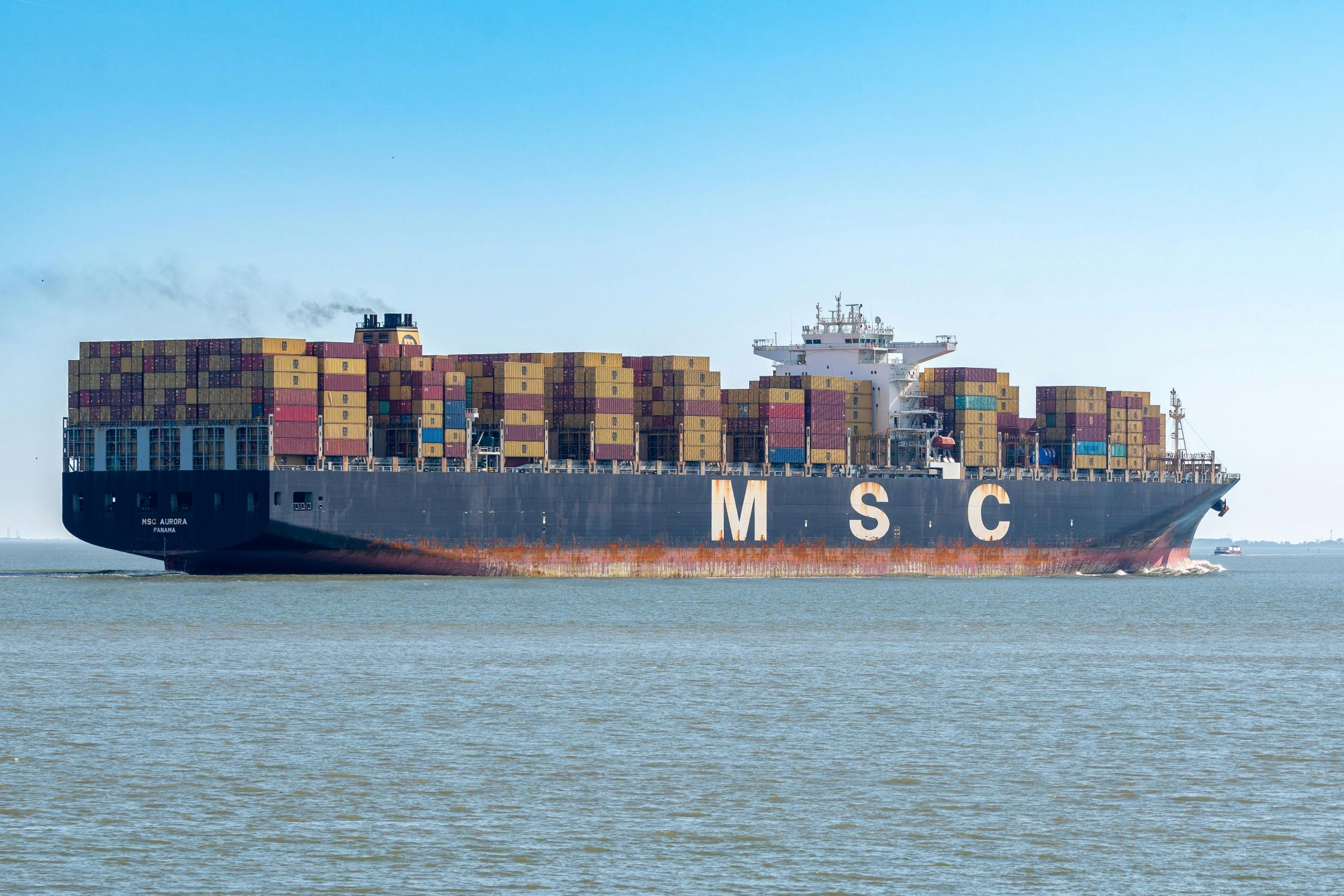
Several carriers continue to operate Asia–Europe services via the Cape of Good Hope instead of the Suez Canal, resulting in longer transit times and effectively reducing available capacity due to extended round voyages.
Geopolitical developments in the Middle East have also affected network planning. Some vessels originally deployed on Middle East services are being reassigned to other trades, including Asia–Europe loops, as carriers rebalance capacity.
A recent example includes a large vessel previously serving the Middle East trade being redeployed onto an Asia–Europe service, illustrating how carriers are adjusting fleet allocation in response to shifting cargo demand.
While additional tonnage entering the Asia–Europe network may partially offset earlier capacity constraints, the continued Cape routing still keeps overall effective capacity tighter compared to normal Suez operations.
As manufacturing activity in China continues to normalize after the holiday season, cargo volumes are expected to gradually increase in the second half of March, which may lead to firmer space conditions on certain sailings.
ther Market Drivers Affecting the Ocean Freight Market
Tensions in the Middle East have recently escalated, creating disruptions in regional shipping and logistics networks. Several carriers have temporarily suspended bookings for certain Middle East and Red Sea services due to security concerns.
Ports and logistics hubs in the region, including Dubai terminals, have experienced operational pressure as shipping lines reassess routes and capacity deployment.
Some carriers have introduced alternative service designs to continue serving Middle East destinations through different regional ports with inland connections, anticipating that geopolitical tensions may persist for some time.
The uncertainty surrounding vessel safety in the Strait of Hormuz and nearby areas has also contributed to increased caution among carriers when planning deployments.
Although the Asia–Europe trade is not directly disrupted by these events, the broader impact on global network planning and fleet allocation may influence pricing sentiment and operational stability in the short term.
We will continue monitoring the Asia export market closely and remain in regular contact with carriers to track any developments in capacity, routing, and pricing strategies. Our team will keep sharing updates from the origin side so that you can better plan shipments and manage expectations with your customers.
Please feel free to reach out to our team if you require any support for shipments from China or Southeast Asia to Europe.

.svg)