Shipping Market Insights: Latin America Trade Lane in November 2025
October 31, 2025
As we move into the second half of November, the Asia export market continues to experience a shift following the post-Golden Week recovery. While short-term rate volatility remains, underlying fundamentals point toward softer demand as pre-Christmas cargo has largely been shipped. Our goal is to provide you with a concise overview of current market trends, capacity outlook, and relevant macroeconomic factors shaping the months ahead — to help you align expectations and better understand the rationale behind our offered rates.
Post-holiday correction: The backlog of containers accumulated before China’s National Day has been fully cleared. Carriers initially pushed rates up in mid-October to absorb rolled cargo, but the subsequent drop in booking momentum led to renewed downward pressure entering November.
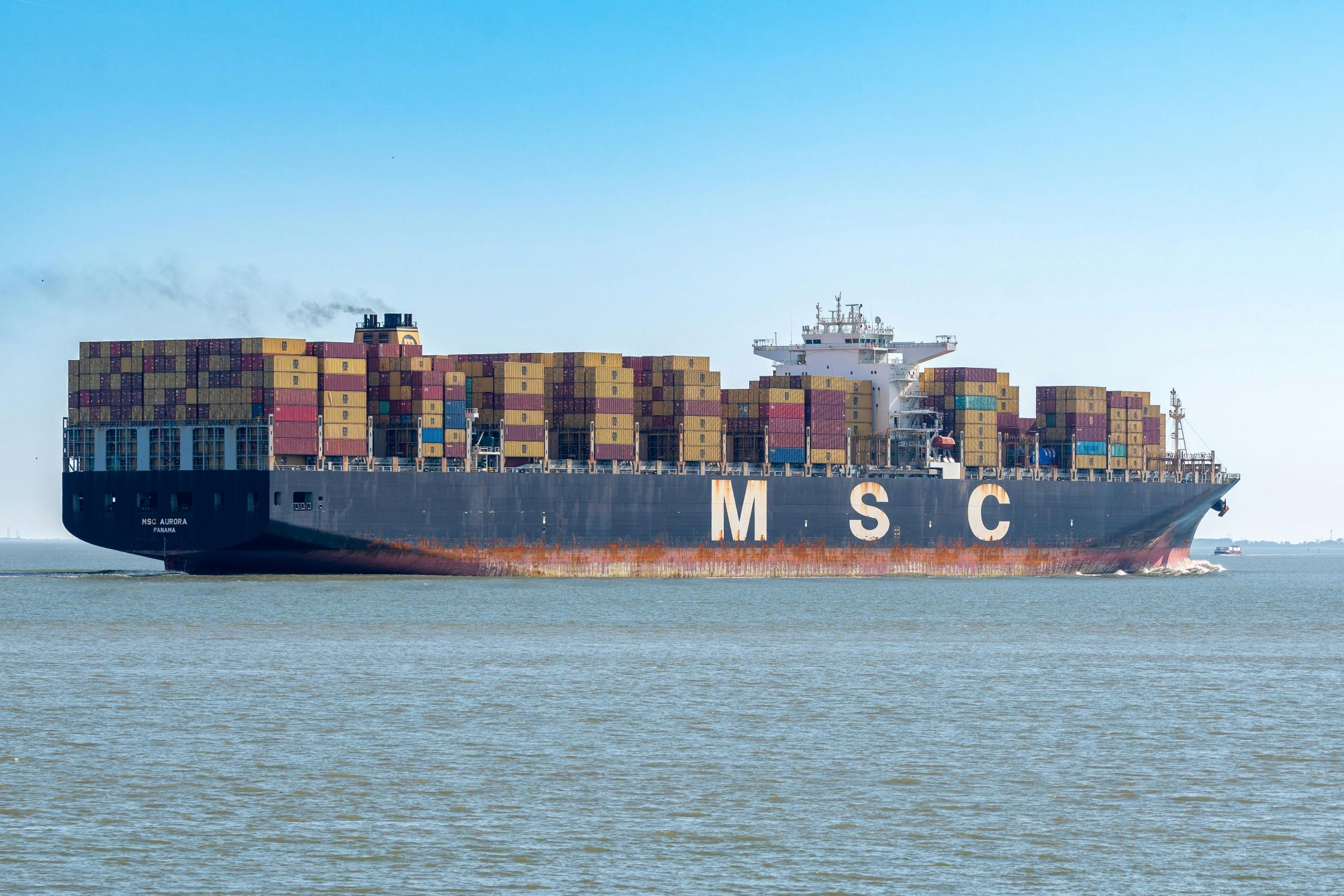
GRI implementation: Major lines led by MSC have announced General Rate Increases (GRIs) of USD 1,000 per box to Mexico/WCSA/Caribbean and USD 400 per box to ECSA, effective early November. However, weaker-than-forecast cargo volumes have limited their success. Maersk opted to hold end-October rate levels through November 5th for MX/WCSA and maintain softer pricing for ECSA until November 9th.
Market sentiment: Carriers are likely to continue their push for higher levels in the second half of November, though most stakeholders expect only partial implementation. Lines remain cautious about over-committing space and are managing capacity closely to sustain yield integrity.
Fuel and surcharge outlook: BAF and FAF adjustments remain stable for now, with bunker indices showing mild fluctuations as crude oil prices hover near USD 61 per barrel amid OPEC+ output discipline.
Capacity Forecast — Withdrawal and Rationalisation across Trade Lanes
Mexico Service (COSCO/OOCL WS8/TLP8):
Originally launched to use Mexico as a transshipment hub for U.S.-bound cargo to mitigate Section 301 tariff exposure, the service’s low load factors and delayed tariff revisions have prompted its temporary withdrawal in mid-to-late November. Redeployment is tentatively planned for January 2026.
WCSA (ZIM ZAT):
ZIM has redirected focus toward higher-yield e-commerce routes to the U.S. West Coast and West Africa, leading to voluntary capacity reductions. Vessel incidents have further tightened its schedule, resulting in two blank sailings in the second half of November.
WCSA (ONE/HMM FLX/ALX4):
This jointly operated loop will be suspended by end-November, though the market impact should remain limited due to overlapping coverage from other alliances.
General trend: Overall market slot availability remains sufficient, but carriers are expected to continue capacity discipline through slow steaming, blank sailings, and tactical service adjustments to stabilise freight levels during this traditionally soft period.
Other Market and Policy Developments
Equipment imbalance: Certain carriers, notably CMA CGM and PIL, are experiencing equipment shortages at origin ports, particularly in South China and Southeast Asia.
Port prioritisation: Shipments to Guayaquil and Buenaventura are being treated as secondary loading priorities, with some carriers introducing space restrictions or additional surcharges.
Container type limitations: Lines are increasingly reluctant to accept 40’ NORs due to repositioning constraints.
In China, October manufacturing PMI is at below 50 level, despite the support by the government and insufficient to lift export demand meaningfully.
Global supply-chain resilience continues to improve following easing disruptions in the Middle East; the initial phase of the Gaza ceasefire has allowed smoother Suez Canal transits, which may free up tonnage for redeployment and contribute to gradual freight softening.
As we enter the final weeks of 2025, RS Logistics will continue to monitor carrier strategies, capacity shifts, and macroeconomic developments that may influence short-term pricing and service stability. Our trade and pricing teams across Asia remain in close contact with key carriers to secure the most competitive options while maintaining service reliability.
We will share the next update at the end of November, and urgent developments will be communicated to our partners immediately.
Thank you for your continued trust and partnership.

.svg)