
.svg)


Understanding the Impact of Red Sea Disruptions on Global Trade
As 2023 concludes, the shipping industry stands on the brink of a crisis sparked by unforeseen geopolitical events.Houthi armed forces'...
Read More
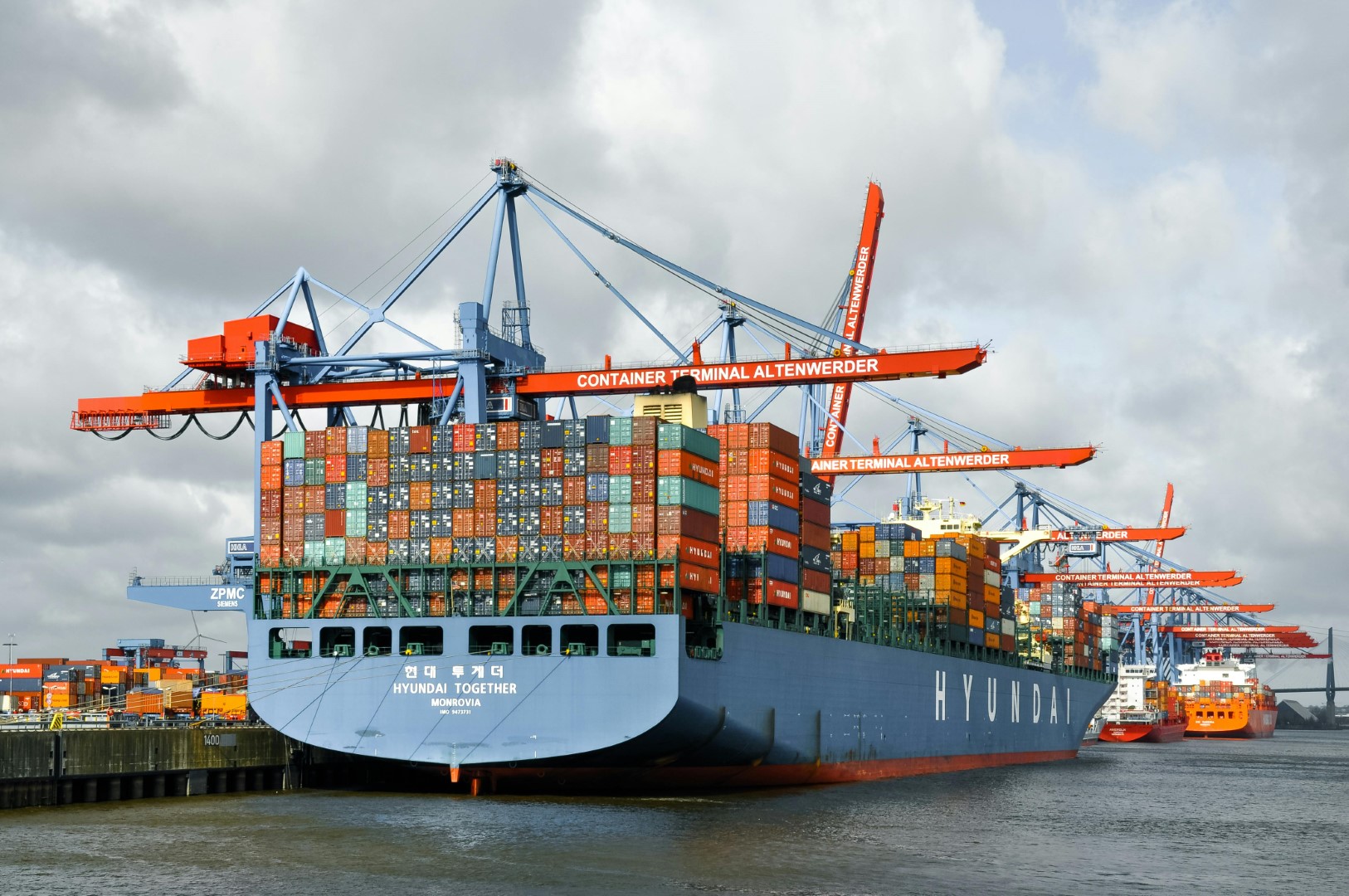
Based on current industry data and observed port dynamics, a blockade of the Strait of Hormuz does not directly interfere with transpacific shipping routes connecting China and Southeast Asia with the United States. However, the resulting global container imbalance and congestion at key transshipment hubs have generated a systemic “ripple effect,” materially impacting operational performance along these routes. While overall vessel deployment remains largely unchanged, the efficiency of global shipping networks has deteriorated. Vessel speeds have been adjusted, routing patterns modified, and port congestion intensified. Collectively, these factors have led to a pronounced decline in schedule reliability on Asia–US trade lanes, accompanied by extended and increasingly unpredictable transit times.
Key Impact Areas
Disruptions in the Middle East have compelled carriers to reroute vessels, often via longer alternatives such as the Cape of Good Hope or through secondary discharge ports. This has absorbed available capacity and disrupted global fleet deployment strategies.
These effects have now extended to transpacific services:
Even where departures occur as scheduled, transit time reliability has deteriorated due to broader network adjustments.
Freight rate developments continue to reflect underlying market stress.
Summary of Impacts
| Impact Dimension | Current Situation | Operational Implication |
| Load Ports (Asia) | Port congestion; 2–3 day berthing delays | Increased origin waiting time; earlier cargo readiness required |
| Ocean Transit | Disrupted schedules; adjusted sailing speeds | Greater uncertainty in transit times; reduced reliability of planning |
| Destination Ports (US) | Vessel bunching; terminal congestion | Delayed cargo availability; extended last-mile delivery timelines |
| Cost | Elevated base rates; additional surcharges | Increased logistics cost per container; margin pressure |
Recommended Mitigation Strategies
In response to the current disruption environment, a more proactive and resilient approach to supply chain planning is required:
Conclusion
The current disruption highlights the interconnected nature of global shipping networks. Even in the absence of direct route exposure, external geopolitical events can materially affect performance across distant trade lanes.
For transpacific shipping, the implications are evident: declining schedule reliability, extended transit times, and increased cost volatility. In this context, strategic planning, early action, and operational flexibility are essential to maintaining supply chain stability.
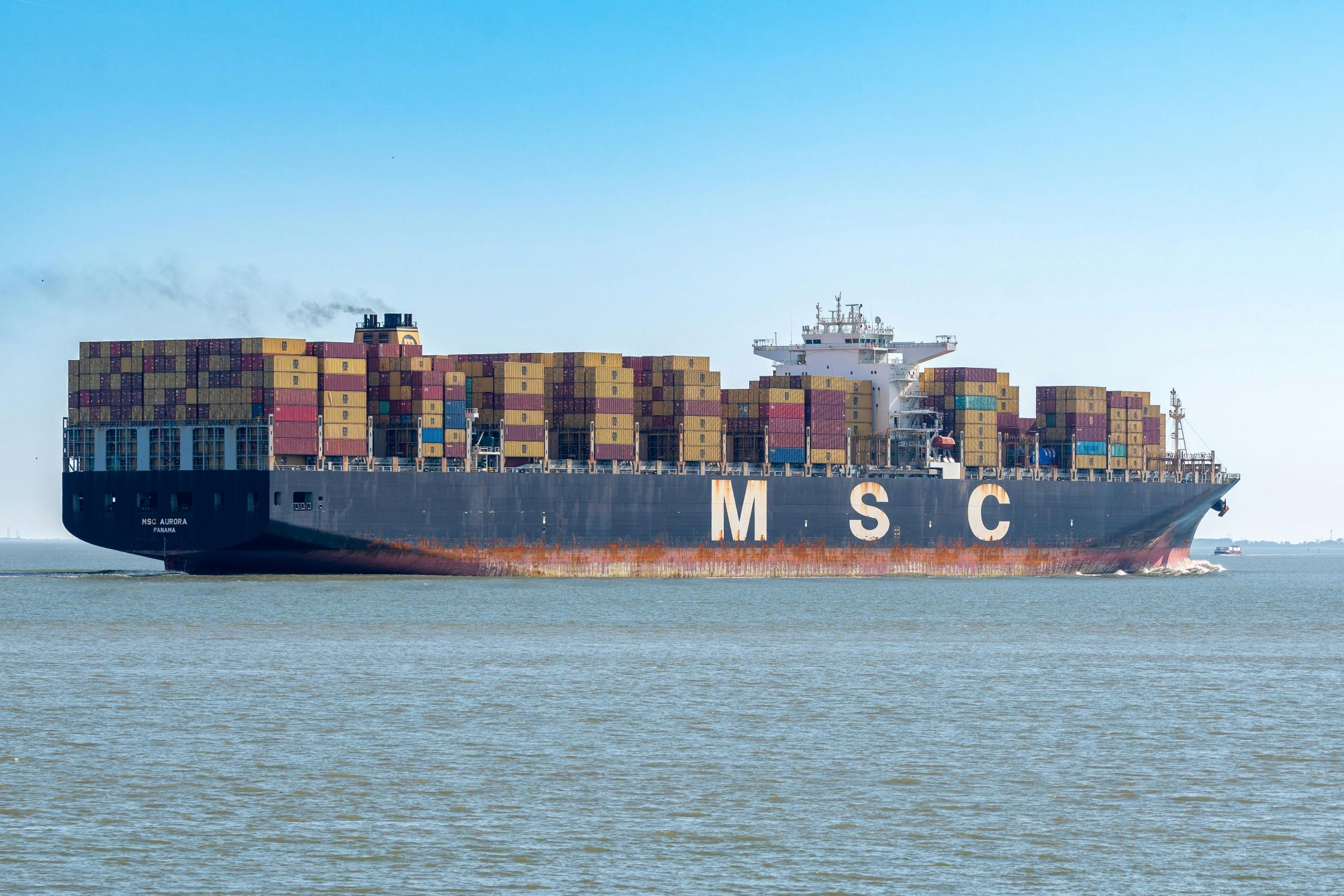
As 2023 concludes, the shipping industry stands on the brink of a crisis sparked by unforeseen geopolitical events.Houthi armed forces'...
Read More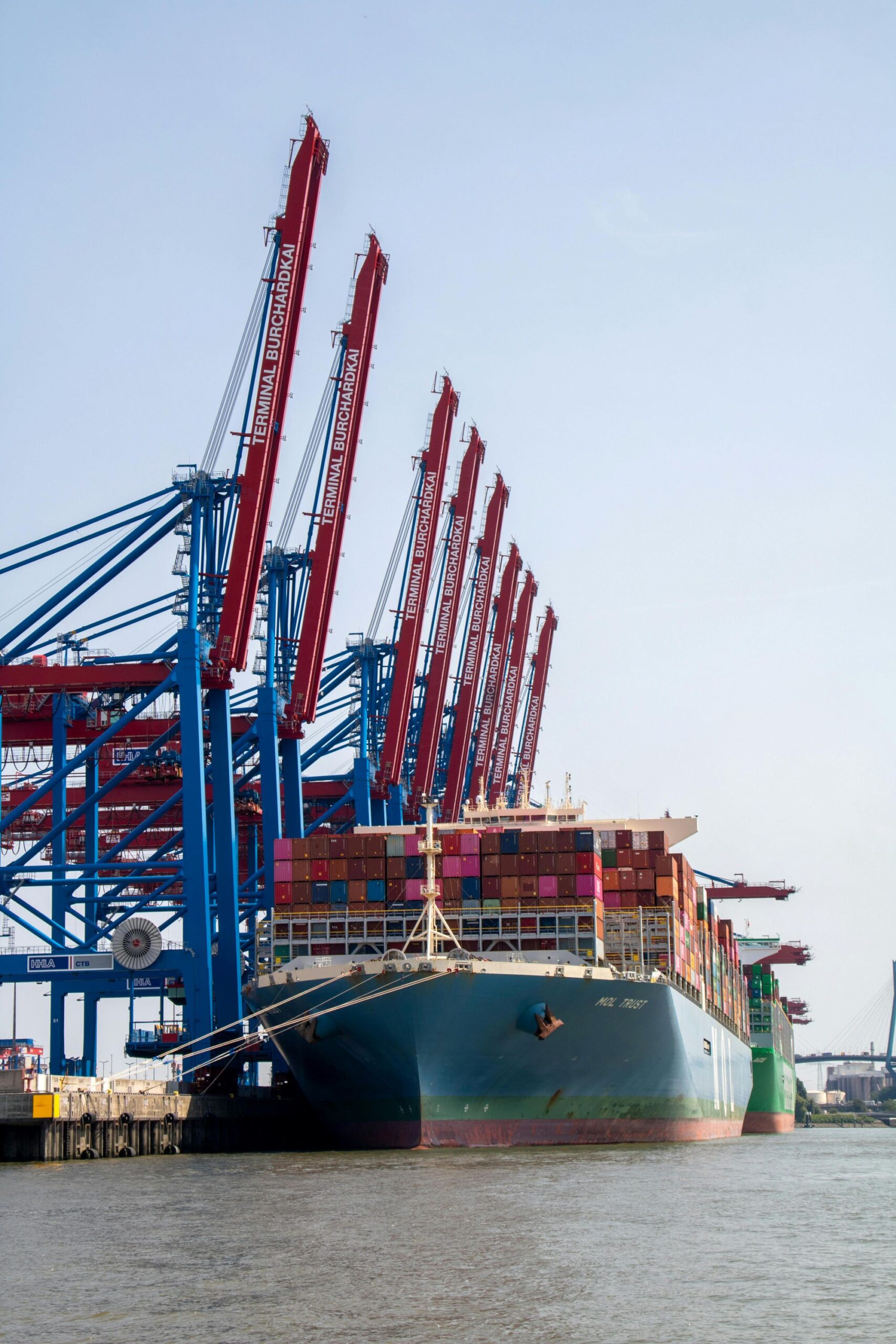
This week brings pivotal changes to the maritime industry, with significant events influencing global trade and logistics. From the formation...
Read More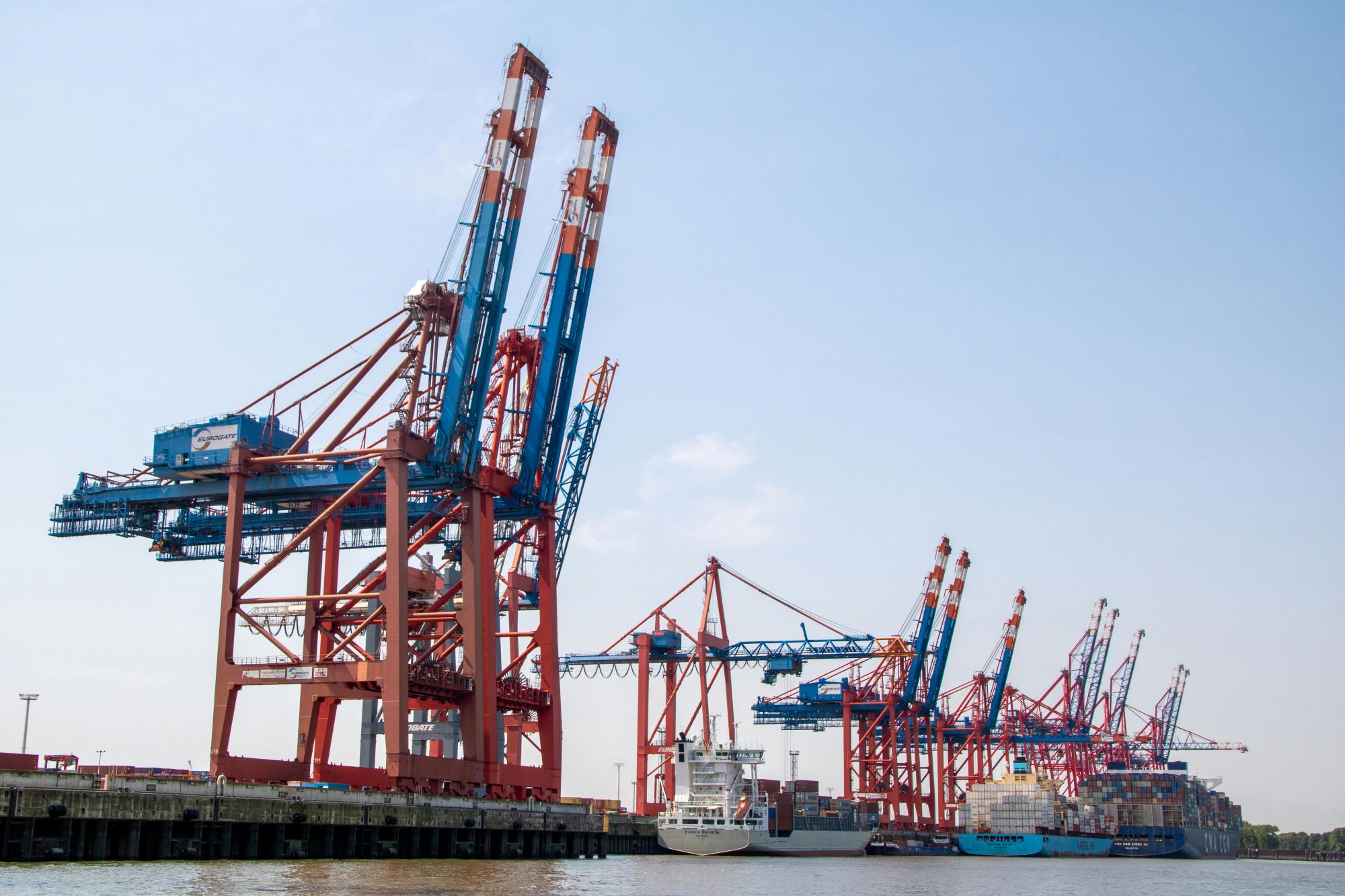
Projected global economic growth of 3.1% in 2024 sets an optimistic backdrop for the shipping industry, as increased economic activity...
Read More
Welcome to this week’s market update, where we provide a strategic analysis of the latest developments impacting the logistics industry....
Read More