Asia Europe Lane Update Demand Recovery and Strategic Capacity Adjustments
April 1, 2026
Following recent developments across the Asia to Europe trade lane, we are seeing an earlier-than-expected inflection point in freight rate trends, alongside relatively stable capacity deployment. While the market has started to move upward, the pace of recovery remains measured due to demand-side constraints. Below is a structured update for the upcoming half-month period.
Rate Trend Outlook for Upcoming Weeks
The traditional rate recovery cycle has shifted forward, with the upward trend beginning in mid-March instead of the usual mid-to-late April window
Despite the upward movement, rate increases remain capped as overall cargo demand has not fully recovered, particularly from core European import sectors
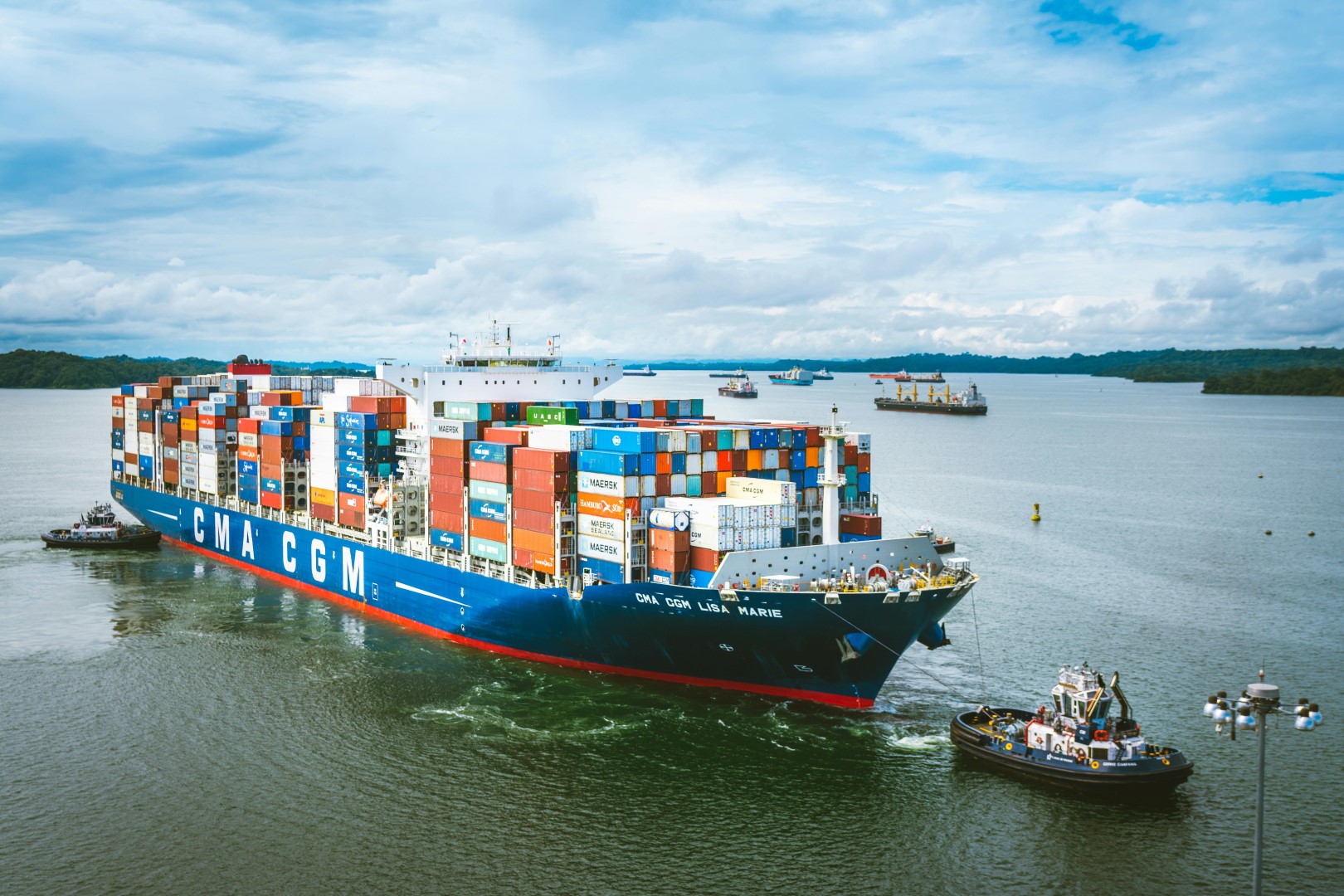
Maersk and Ocean Alliance vessels are currently relatively well utilized, with Maersk focusing more on index-linked cargo and OA relying heavily on long-term contracts
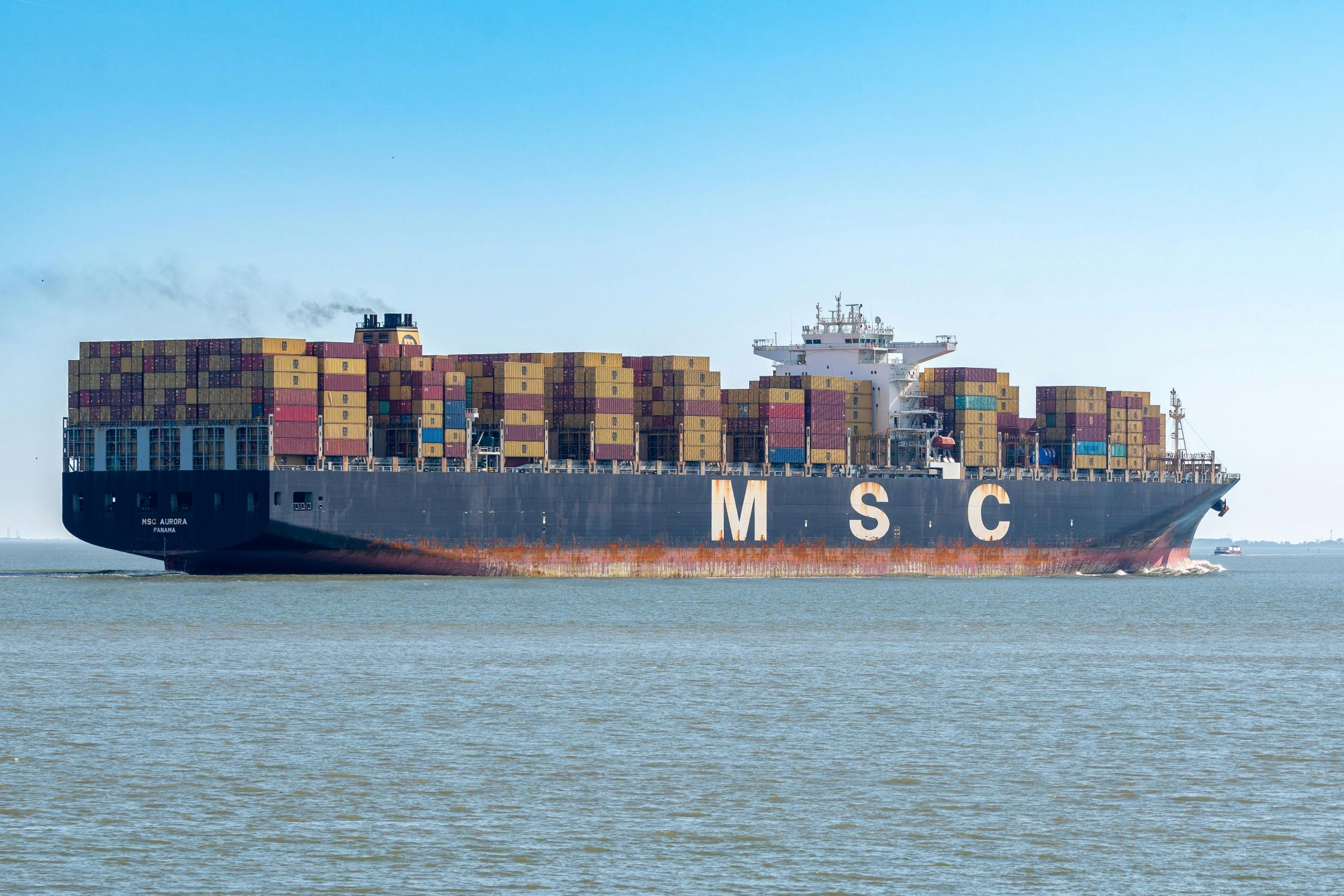
MSC maintains a relatively neutral pricing stance, supported by transshipment cargo, with limited aggressive downward pricing behavior
Pricing pressure is mainly coming from the Premier Alliance, especially after FE3/FE4 port rotation adjustments, where initial sailings face utilization pressure and more aggressive pricing strategies
Short-term promotional pricing and volume-based deals continue to appear in the market, creating a wider spread between headline rates and actual booking levels
Middle East rate increases driven by geopolitical tensions have indirectly supported Asia outbound flows, but the impact on Europe lanes remains limited
Capacity Forecast and Carrier Deployment
Overall capacity remains stable, with April weekly average supply at approximately 293,000 TEUs and no significant pending capacity
For the second half of April, only limited blank sailings are observed, mainly within the Ocean Alliance, specifically on AEU1 and AEU3 services in Week 16
Capacity discipline remains relatively strong across alliances, with no large-scale withdrawal or injection of tonnage
May capacity is projected at around 306,000 TEUs weekly, but effective capacity is expected to reduce to approximately 283,000 TEUs after excluding TBN allocations
Alliance structures remain largely unchanged, but internal adjustments such as port rotations and vessel deployment are influencing short-term supply-demand balance
No significant new service launches have been announced, indicating carriers are prioritizing stability over expansion
Other Market Influencing Factors
The recent escalation in geopolitical tensions between the US and Iran has significantly impacted Middle East trade lanes, driving sharp rate increases and the introduction of war risk surcharges
Reduced chemical exports from the Middle East have led to increased sourcing from China into Southeast Asia, strengthening regional demand and indirectly supporting intra-Asia freight rates
European import demand continues to recover gradually but remains uneven, with inventory levels in certain sectors still above historical averages
Ongoing macroeconomic uncertainty in Europe, including inflation control measures and subdued consumer demand, continues to limit strong cargo recovery
Carrier cost structures remain under pressure from fuel volatility and operational disruptions, influencing pricing strategies across multiple trade lanes
The divergence in pricing strategies among alliances reflects different approaches to utilization management and contract cargo commitments
We will continue to monitor market developments closely, particularly around demand recovery, alliance behavior, and geopolitical impacts, and keep you updated to support your planning and pricing decisions.

.svg)